
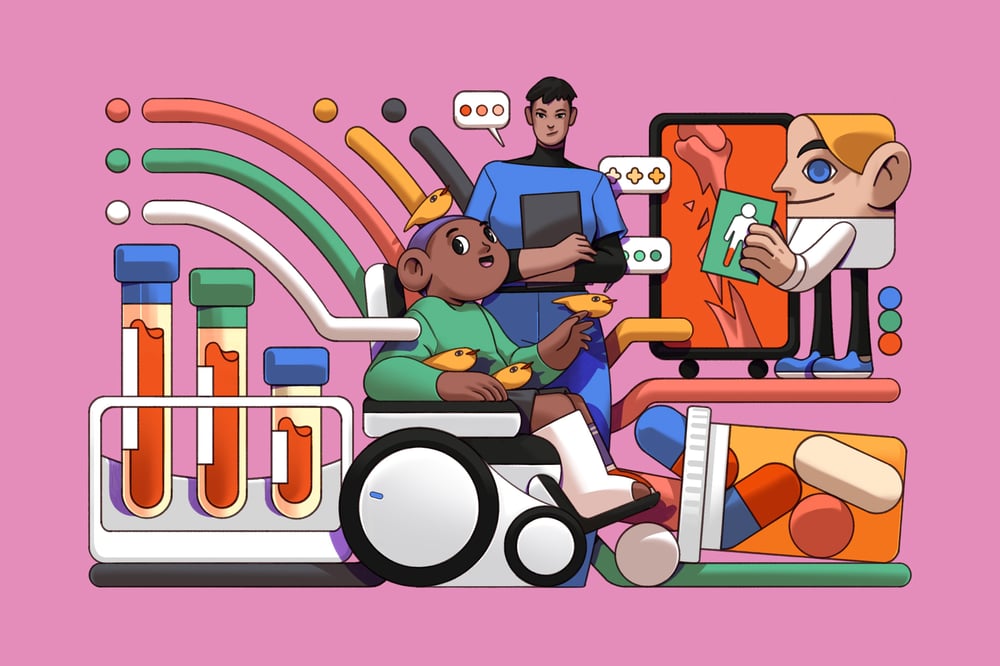
In a rapidly evolving healthcare landscape, a deep commitment to patient-centric care is not just beneficial—it's essential. This approach transcends conventional healthcare, focusing on individual patient needs and experiences. A patient-centric model offers a multitude of benefits: it enhances patient satisfaction and engagement, leads to better health outcomes, and streamlines care delivery. For healthcare professionals, this approach fosters a more fulfilling work environment, improving the quality of care. Hospitals and businesses also benefit from increased efficiency and patient loyalty. By putting patients at the heart of healthcare, we create a win-win situation for everyone involved in the healthcare journey.
Understanding the multifaceted value of patient-centricity is the first step in transforming our healthcare system into one where every individual feels respected, heard, and cared for. With this in mind, let's explore these transformative tips and understand their impact in making patient-centered healthcare a tangible reality.
1. Simplify scheduling
In healthcare, convenience is paramount, and refining the appointment booking process is essential. Digital tools make scheduling easy and patient-friendly. Imagine a system where patients can easily select their preferred time, date, and healthcare professional. This approach meets and exceeds expectations, enhancing access to care. With streamlined scheduling, we ensure that getting the right care at the right time is just a few clicks away.
2. Talk to the patient, not about the patient
Direct communication with patients is essential in healthcare. Speaking directly to patients, not just about them, builds trust and respect. This approach makes patients feel valued and involved in their health decisions. By actively listening and showing empathy, healthcare providers can create a deeper understanding and connection. It reassures patients, helping them feel more confident and informed about their health care. This personalized interaction is a cornerstone of patient-centric care, enhancing the overall patient experience.
3. Use familiar terms
Using clear, familiar language in healthcare is vital. It's about more than avoiding complex terms; it's about making patients feel included in their care. When doctors use simple terms and patient-centered explanations, it eases understanding. Analogies and straightforward language help patients grasp their health issues and the needed solutions. This clarity reduces confusion, empowering patients in their health journey. Clear communication is a key element of patient-centric care, ensuring patients fully understand their health situations.
REPORT
How patient-centric are healthcare service providers?
A study of the digital front doors of top 70 European companies
Download
4. Transparent healthcare pricing
Clarity in healthcare costs is crucial. It's not just about listing prices; it's about explaining them. A patient-centric approach involves detailed cost breakdowns, showing patients exactly what they're paying for. This transparency builds trust and empowers patients in their healthcare decisions. Informing patients about costs and insurance coverage beforehand ensures they are prepared financially for their procedures. Such openness about pricing can foster a stronger, more trusting relationship between patients and healthcare providers.
5. Upholding data security standards
Ensuring patient data security is paramount in the digital healthcare landscape. Alongside robust online security measures, it's equally important to provide patients with access to their personal health data. This transparency empowers patients, allowing them to be more involved in their healthcare decisions. Access to personal data fosters an environment of trust and openness, reinforcing the commitment to patient-centric care while upholding the highest standards of data confidentiality and integrity.
6. On-demand remote care
Telehealth and remote care are reshaping the patient experience in healthcare. These innovative services offer immediate, convenient access to medical care, especially beneficial for those with limited mobility or residing in distant locations. Embracing on-demand remote care means supporting diverse patient needs, and ensuring everyone has timely access to healthcare. This adaptable approach aligns with contemporary lifestyles, ensuring continuous care and making healthcare more accessible than ever.
7. Implement loyalty programs
Loyalty programs are a powerful tool for fostering patient engagement. They motivate healthier lifestyle choices and encourage ongoing healthcare interactions. Rewarding proactive health behavior, these programs cultivate a more health-conscious community. This strategy benefits both patients and healthcare providers by promoting regular health monitoring, leading to improved outcomes and heightened patient satisfaction.
Join us in transforming healthcare
Healthcare digitalization can be a difficult journey, but with thoughtful management, it need not be overwhelming. Whether you want to increase your operational efficiency, better your patient experience, or harness the digital to build integrated care systems, we turn your challenges into category-defining digital solutions. The services we build are tailored to solve your most incapacitating challenges, always designed, built, and scaled by the best digital talent on the planet.
CONTACT
Let's take the next step together!