Tech for Fashion 2025 was one for the books – an afternoon that truly cut through the hype. It was inspiring to hear from leading brands such as adidas, Marimekko, De Bijenkorf, Decathlon, VF Corporation, On, H&M, Mytheresa, Vinted, and BCG X, and get a full picture of where retail is heading.

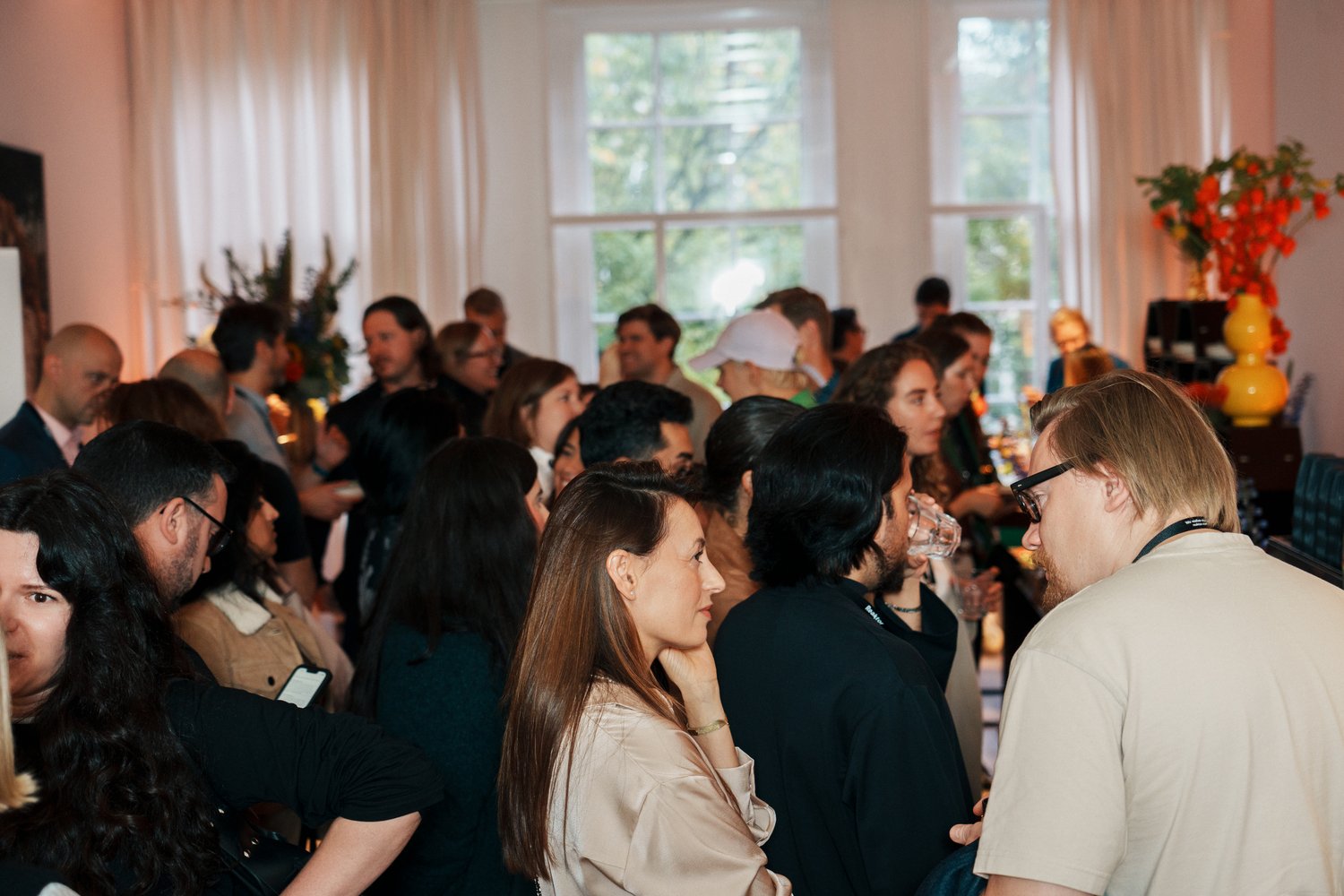

Tech for Fashion returns
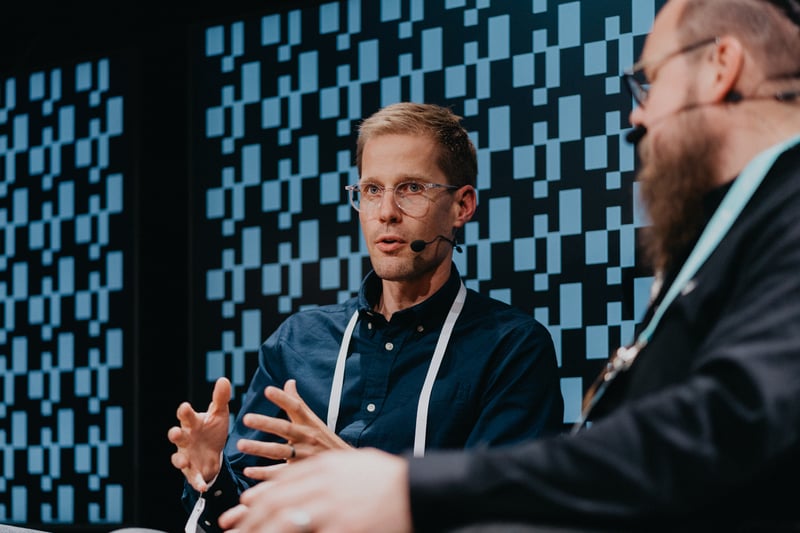
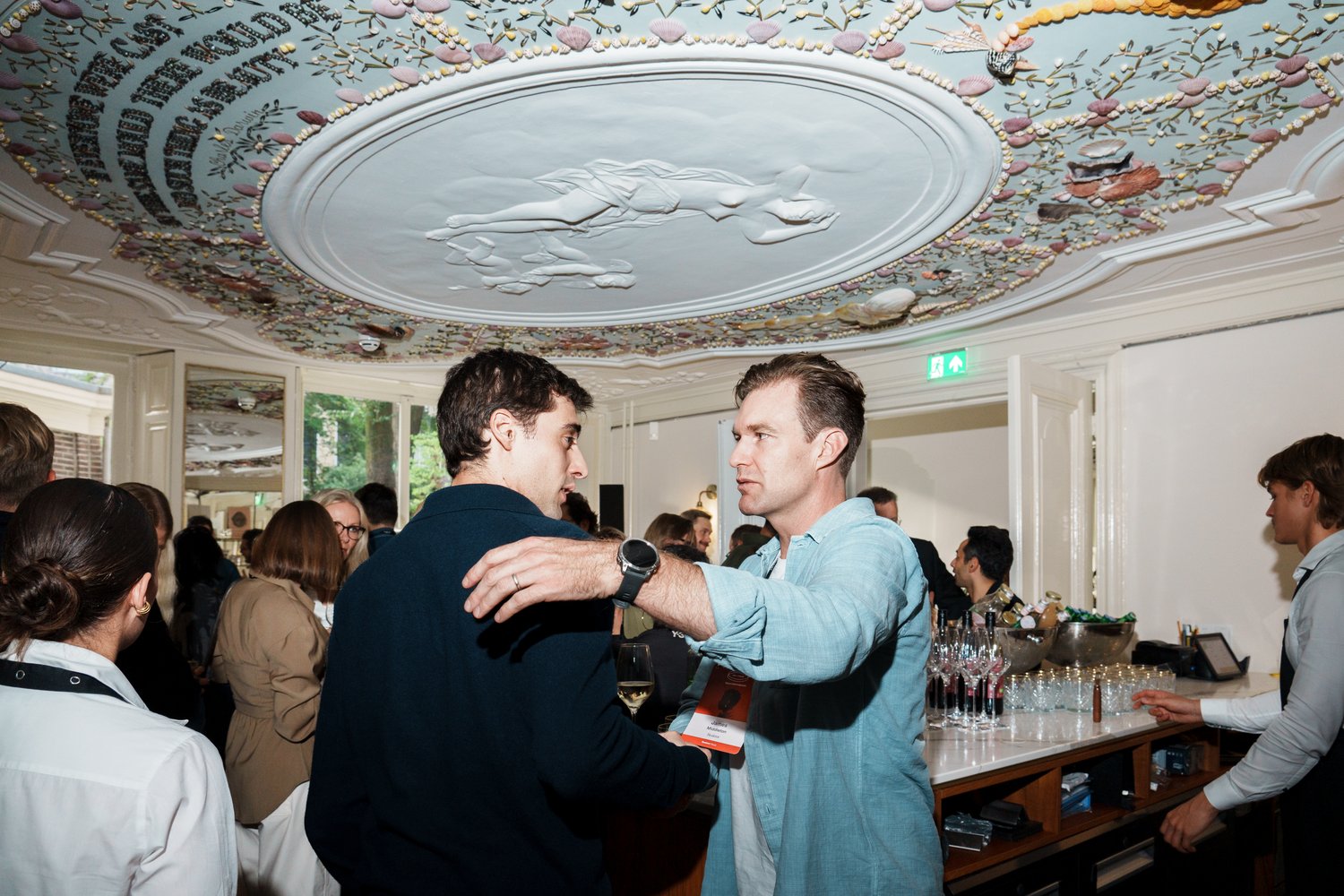
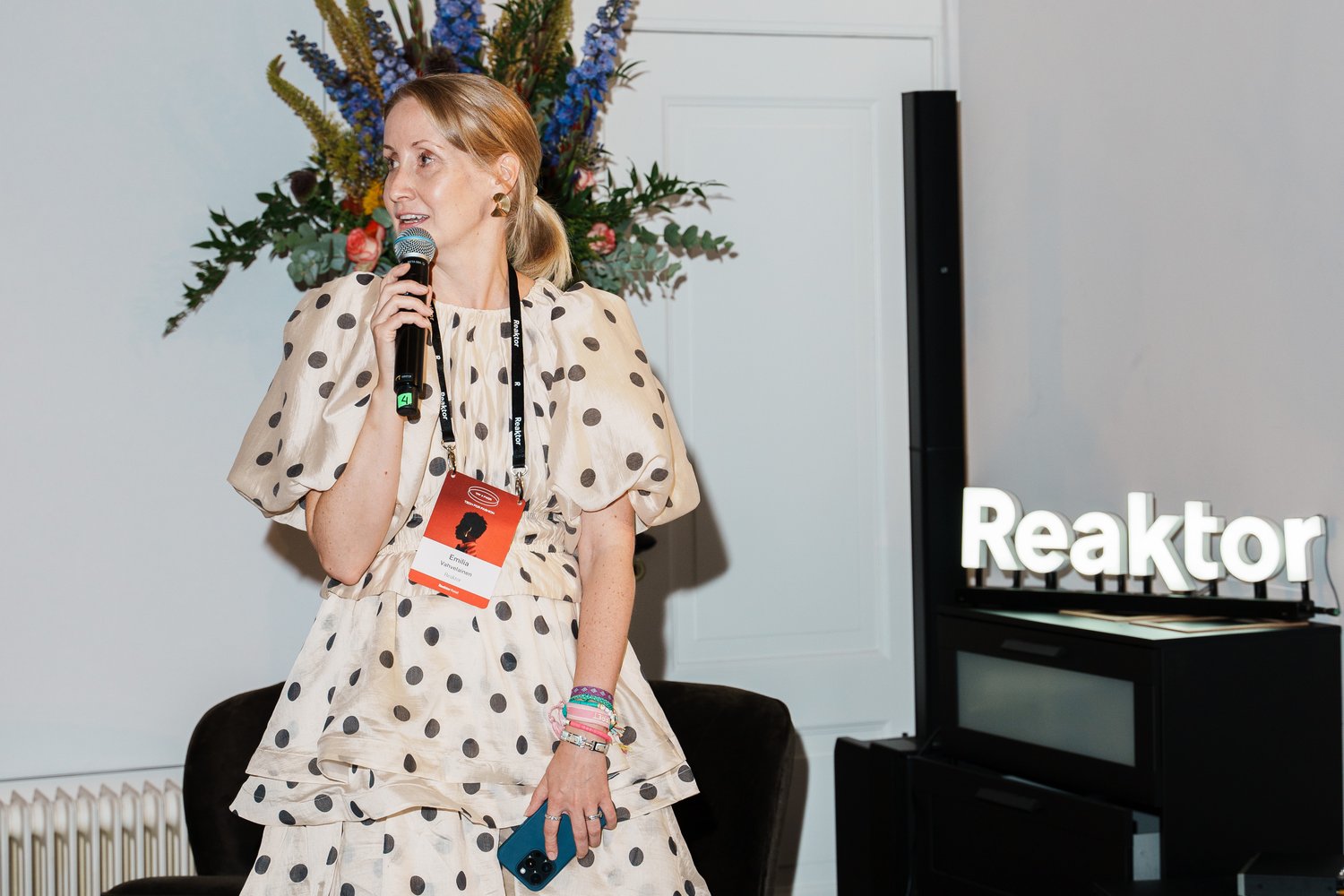
Now in its second edition, Tech for Fashion brought together digital pioneers, innovators, and creatives from across the fashion and lifestyle retail world. The event was hosted in the intimate setting of Huis Vasari, a historic canal house in Amsterdam, and it featured an afternoon of expert panels exploring the technologies and strategies shaping the next era of customer engagement. From loyalty and content to in-store experience and digital growth, the conversations went beyond surface-level trends to offer practical insights and future-focused inspiration.
The four panels brilliantly mapped loyalty beyond points, content beyond volume, stores beyond square meters, and growth beyond more SKUs. And while the magic of the in-person event can’t be replicated through an article, here’s a recap of the conversations that shaped the day.
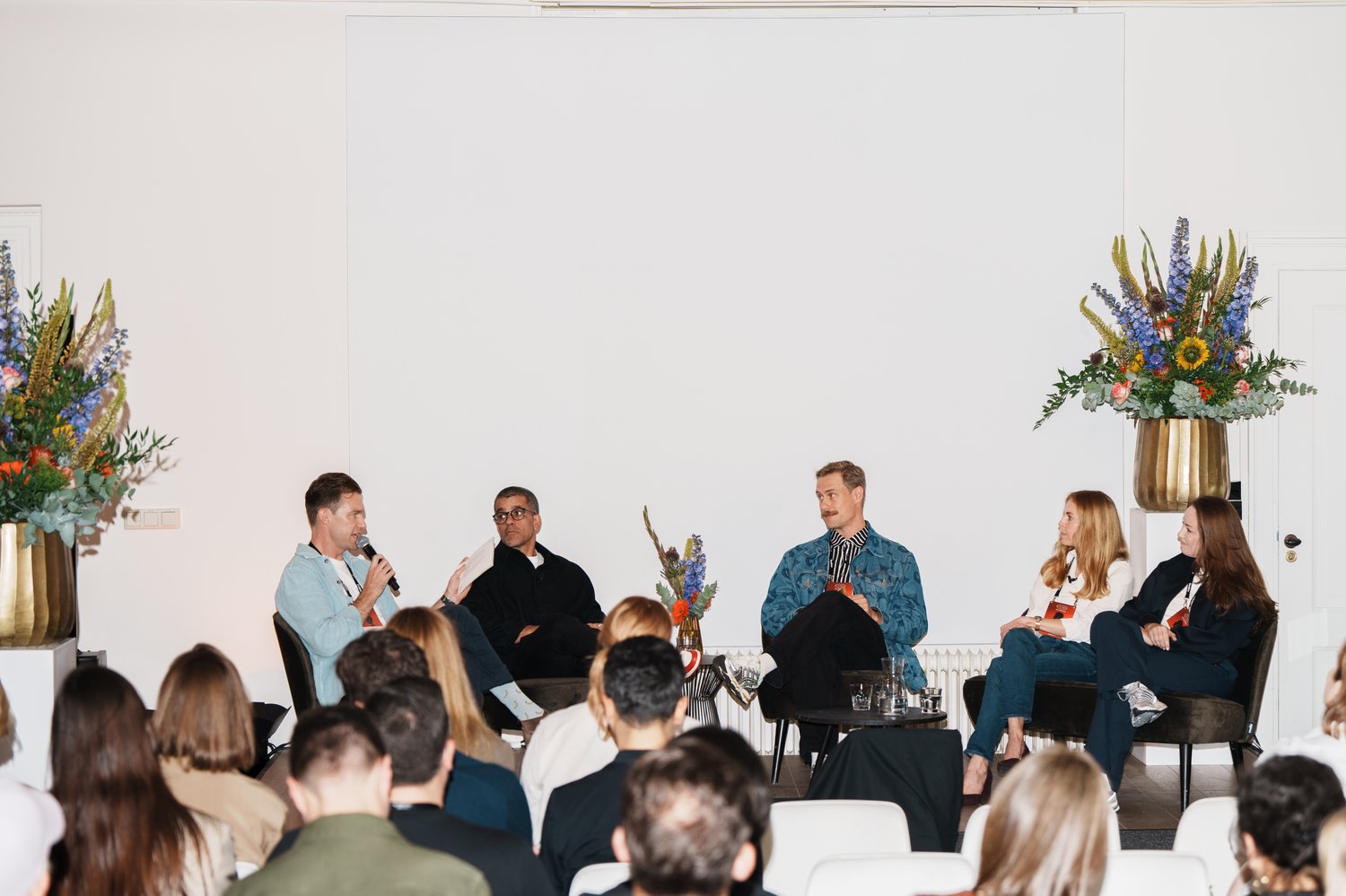
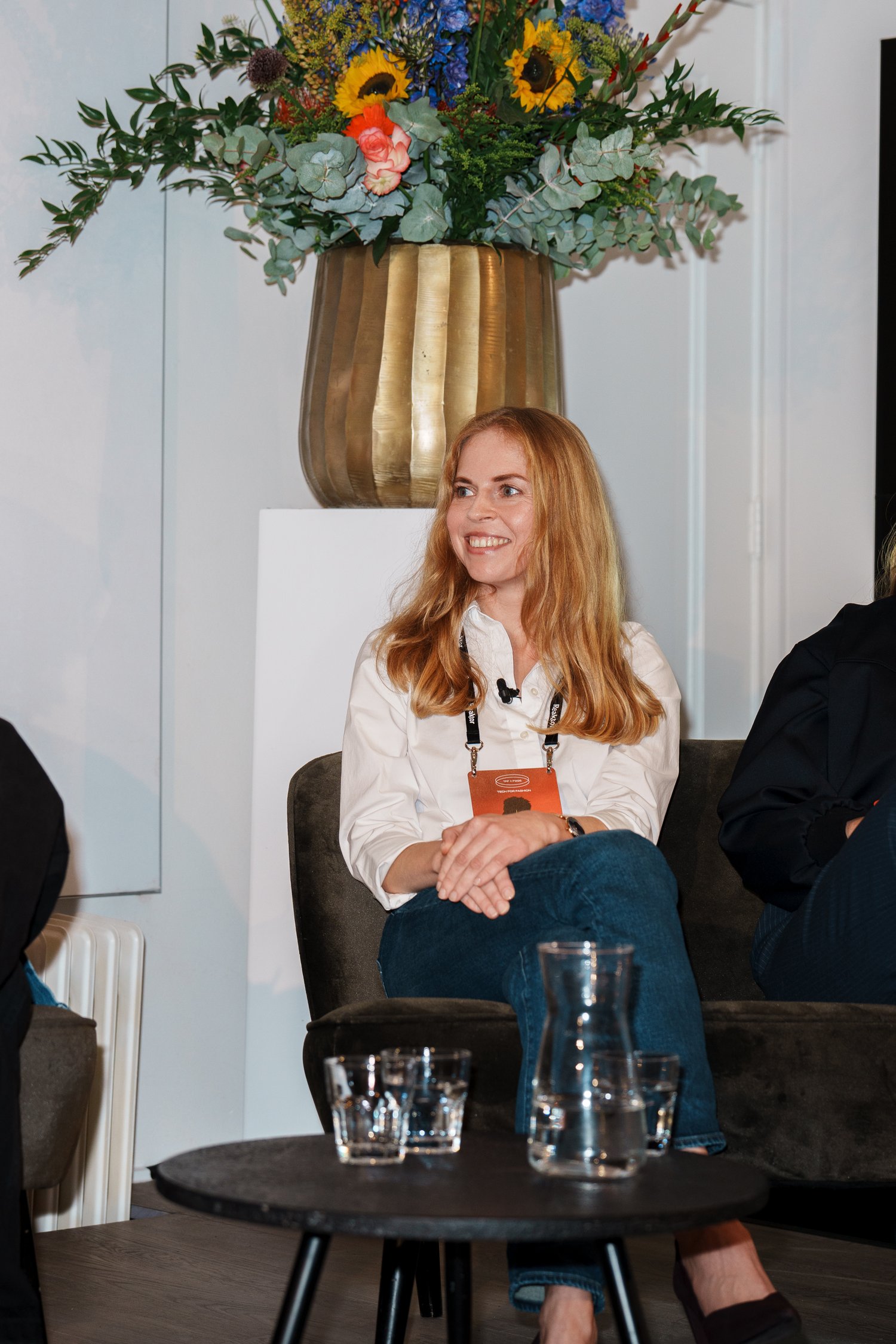
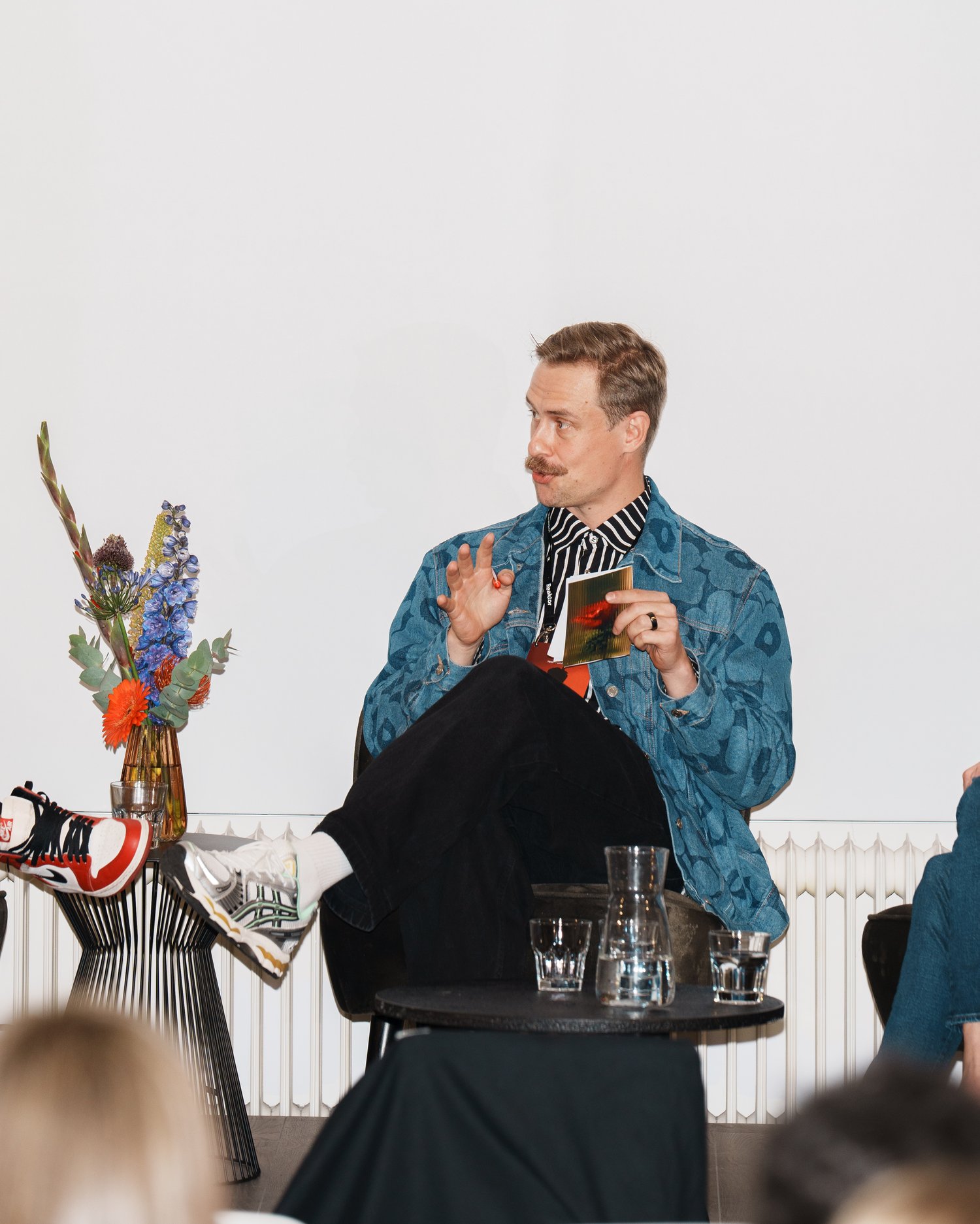
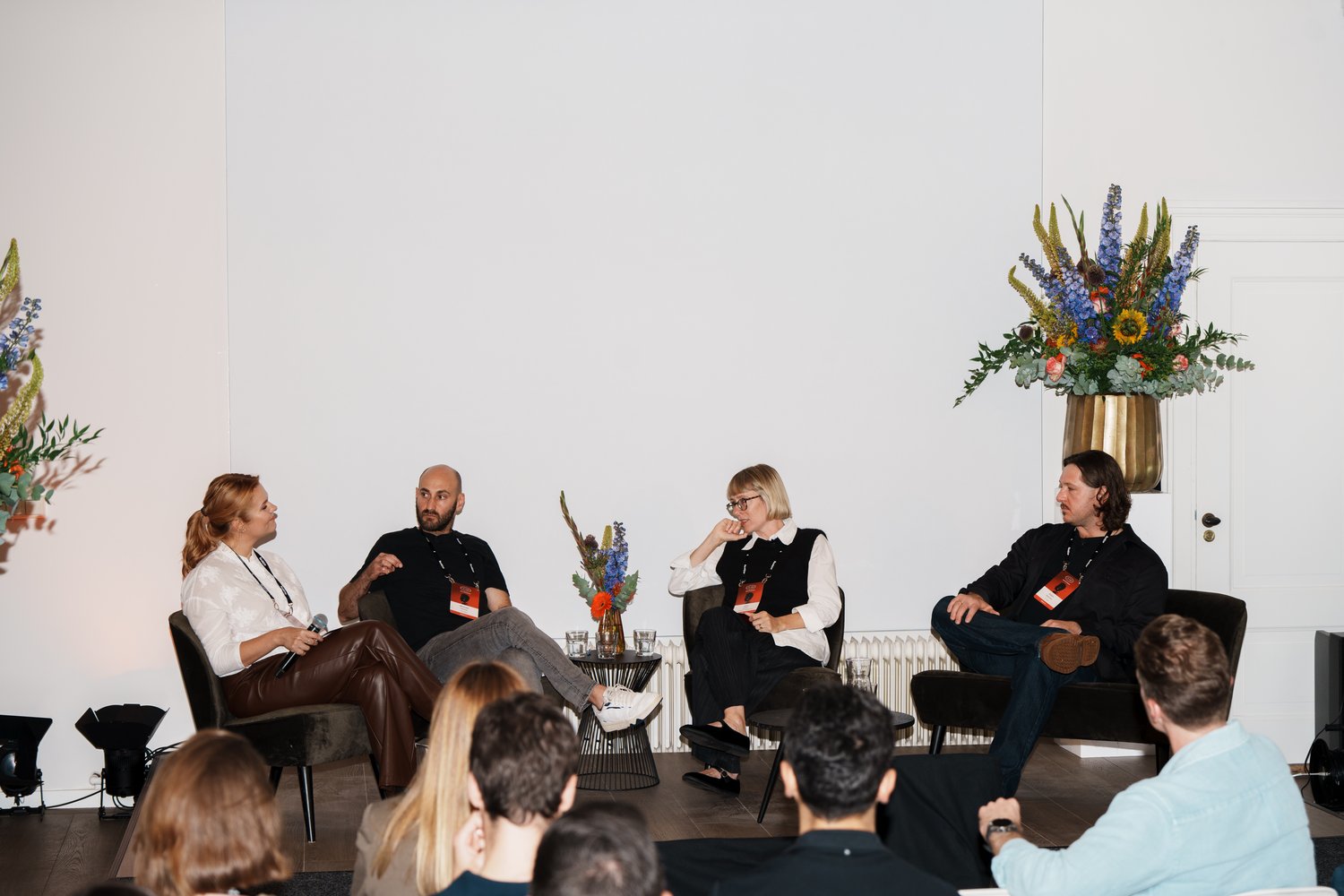
1. New drivers of customer loyalty
The loyalty discussion emphasized that in most retailers, over 80% of sales come from loyal customers, and those loyalists expect immersion, not coupons. A clear channel strategy is critical: you must be channel-native and select the platforms that deepen connection. Yet, some things shouldn’t scale. Unique brand moments, like Marimekko’s iconic printing mill visits, remain more powerful than any ad.
Department stores showed how intimacy can scale through programs that mix tiers with experiences: holiday dinners, advent calendar unboxings, or the feeling of the corner shop that remembers your name. Yet, the challenge for many retailers is still how to recognize loyal members consistently in-store so that hospitality moments trigger reliably, not randomly. Meanwhile, global loyalty programs like adidas’ AdiClub deepen engagement through channel-native touchpoints, from local running apps to cultural partnerships.
And then came the provocation: what if loyalty isn’t about retention at all, but more about fandom? True loyalty looks less like “earn and burn” and more like Harley Davidson riders, Adult Fans of LEGO, or the communities built around Gucci’s foray into esports. These aren’t customers chasing perks, they’re fans chasing belonging. If you celebrate them and make them visible, they will become the brand’s loudest evangelists.
What you can copy tomorrow:
- Design your ladder: explicit paths to level up from “semi loyal” to “very loyal,” with a decisioning engine that matches next best action to context in real time.
- Be channel-native: don’t squeeze backstage content into ecommerce or polish TikTok to death. Especially younger generations are allergic to inauthenticity.
- Protect the magic: scale the orchestration (data, triggers, ops), not the one-off experience itself.
- Fix the org: break the silos and align KPIs, marketing can’t optimize ROAS while loyalty tries to build lifetime love.

2. The future of content
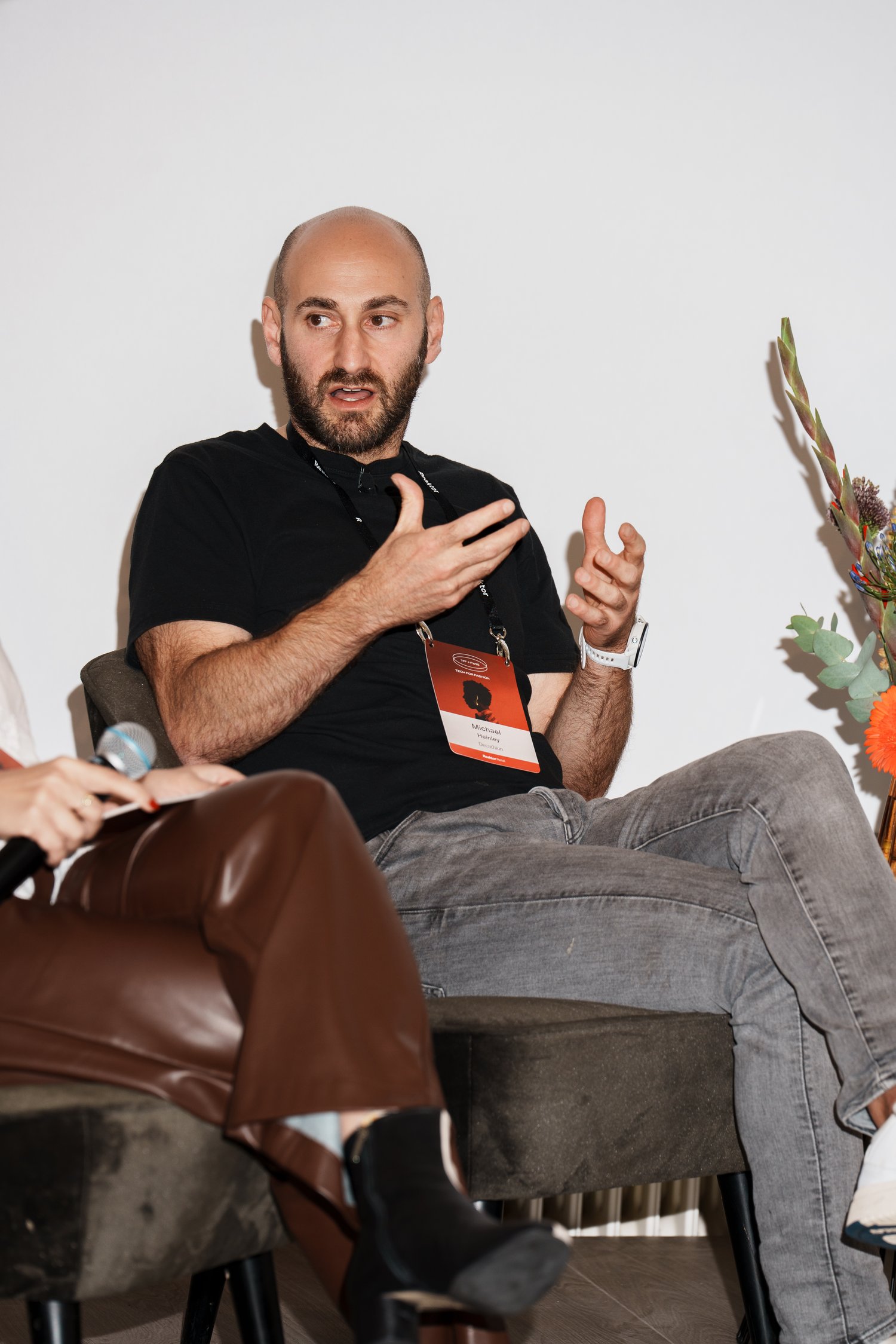
Content is changing on multiple frontiers at once. Ecommerce is increasingly about engaging and inspiring, customers are spread across channels, and content itself is not static anymore, but AI-driven and ever-evolving. For retailers, this calls for a shift in how content is produced, what data is required, and how the architecture can hold it all.
The panel agreed that storytelling still needs a human hand. Generative AI is brilliant for product descriptions and enriching metadata, but over-reliance risks a “same-y” brand voice. The opportunity is to strip away the redundant with AI, so creative teams can focus on what truly resonates.
Some brands are rethinking content as ecosystem engines. Vans’ revival of the Warped Tour, for example, isn’t just an event – it’s a content machine fueling stories across formats and channels. Content should pique curiosity, from listicles to moodboards to in-store digital assistants.
One shared pitfall was measurement. Too often, retailers chase conversion rates while ignoring engagement metrics that build long-term brand value. Some campaigns may lower conversion in the short term while significantly boosting affinity and relevance. The key: align metrics with intent.
What you can copy tomorrow:
- Treat content as a portfolio, not a pipeline: banner ads, moodboards, profiles, and how-tos all play different roles.
- Use AI for efficiency, not voice: automate the mundane, but let humans own storytelling.
- Choose your measures carefully: don’t kill a promising idea just because short-term conversion dips.
- Never lose your brand voice: speed and scale are useless if all your content feels generic.


3. The evolving role of the physical store
Rumors of in-store retail’s death were premature. Stores remain essential in retail, but their purpose is shifting.
Flagship spaces are becoming cultural meeting places, with DJs, events, and social energy ecommerce can’t replicate. B2B showrooms are doubling as test labs, experimenting with concepts like digital shoe walls before rolling them out to consumers.
Technology can really add to the in-store experience for both customers and employees. Yet it's only ever as good as the humans behind it. There are exciting initiatives in demographic heatmapping and mobile POS, tools that help managers understand visitor flow and reduce friction. Still, even with the best innovation, tech adoption is 70% about people, not tools. If store associates don’t believe in the technology, it won’t matter how smart the mirror is or how seamless the endless aisle claims to be.
The lesson across the panel was not to over-average. For instance, one “posh” location might need a radically different assortment than chain averages suggest. Just as in digital, personalization and localization are critical in-store, down to assortment, service, and even noise level.
What you can copy tomorrow:
- Build for community, not just commerce: events, clubs, and social moments deepen connection.
- Scale the insights, not the pilots: heatmaps, demographics, and surveys can fuel smarter local decisions.
- Equip staff first: tech only works when associates understand and believe in it.
- De-average your stores: one size no longer fits all, optimize by location and context.


4. Driving growth through tech and innovation
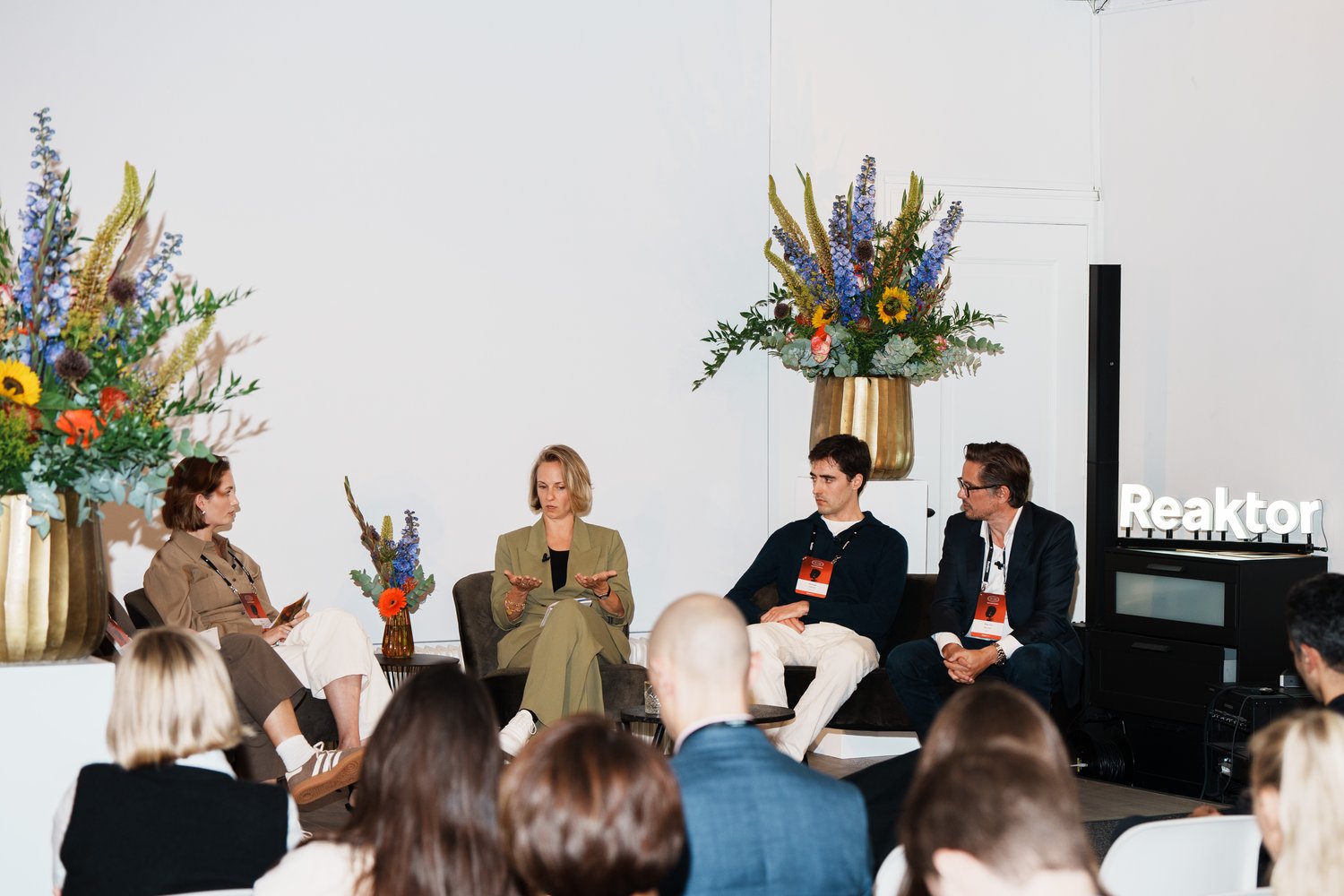
The final panel captured today’s retail reality: squeezed margins, rising competition, and technology as both the disruptor and the driver.
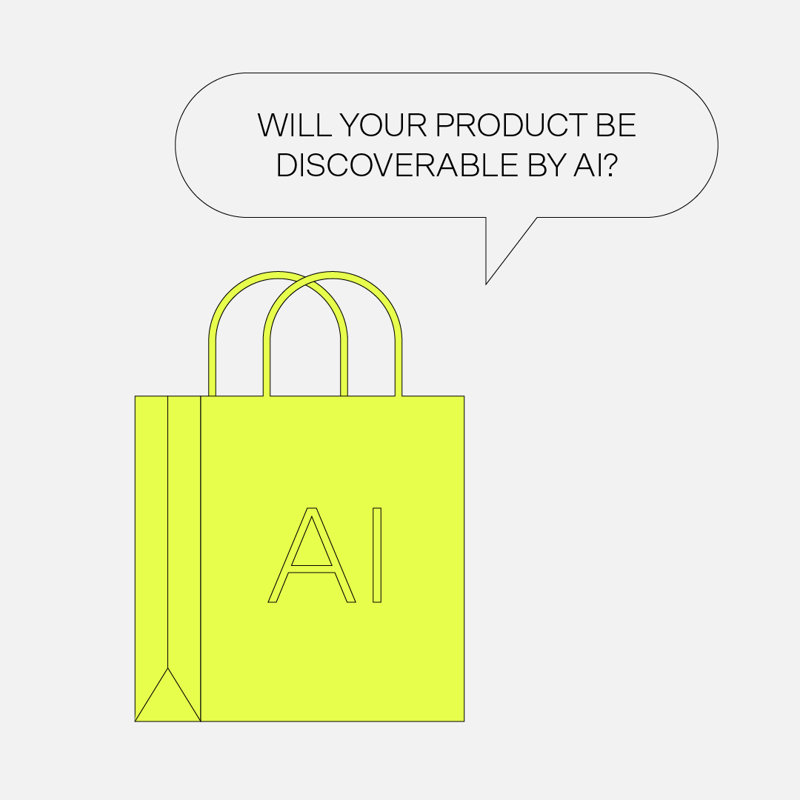
One theme was efficiency. Growth without efficiency is a trap. GenAI is reshaping supply chains, pricing, and strategy, not just content. And with search giving way to AI-driven discovery, brands need to prepare for an “agentic” future where customers increasingly meet them through AI intermediaries.
Luxury retailers highlighted growth through customer obsession rather than mass reach. Partnerships – like resale collaborations – aren’t just about recommerce, but about staying part of the customer’s journey while protecting exclusivity and value. At the other end, secondhand platforms thrive by leaning on cost sensitivity, sustainability, and global operating stacks that scale efficiently.
The global perspective brought yet another layer: growth increasingly comes from market-driven innovation. From TikTok Shop in China to ultra-fast commerce in India, personalization in search is now table stakes, but it relies on disciplined metadata and clean product foundations. Without the right data, even the smartest AI won’t convert.
What you can copy tomorrow:
- Prepare for agentic commerce: your brand will soon meet customers through AI assistants as often as through search.
- Balance growth with efficiency: scale what works, but scrutinize costs ruthlessly.
- Build partnerships that extend your value: resale, recommerce, or cultural crossovers can open new doors.
- Fix your data now: metadata and clean product foundations are the backbone of personalization.