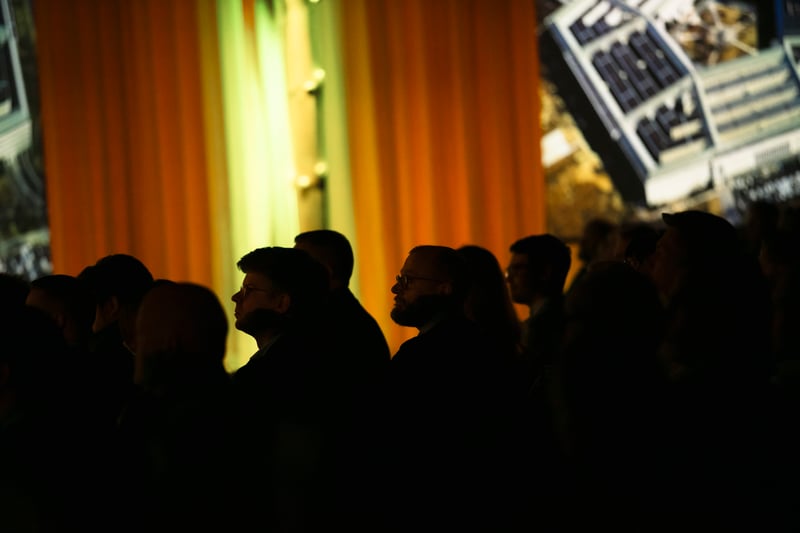
The demand for in-store technology innovations that can transform the customer experience is still growing in the retail industry. That is why, at our recent private gathering of retail leaders, we explored the opportunities, challenges, and future of in-store tech. The discussion centered on how businesses can enhance both customer and employee experiences while ensuring the integration of new technologies.
One of the biggest takeaways from the night was that retail technology must be adaptable to different geographies and customer expectations. For instance, while self-checkout is a dominant trend in the UK, mobile-based solutions are more prevalent in markets like China. The key is to integrate various technologies cohesively rather than creating isolated experiences for different touchpoints.
Empowering employees to enhance customer experience
Another finding from the night was that a significant emphasis is placed on the role of store associates in delivering exceptional customer experiences. Leaders emphasized that technology should enable employees rather than replace them. Smart store layouts, employee training, and intuitive tools can free up time for staff to provide personalized advice, such as helping customers select the perfect wine for dinner or finding the perfect shoes to match an already selected outfit.
Shifting towards smarter tracking and personalization
Furthermore, retailers are increasingly leveraging heat mapping and RFID technology to better understand customer behavior and store traffic. The move away from human-driven data collection towards automated insights allows businesses to refine store layouts, optimize inventory, and improve the overall shopping journey.
Seamless omnichannel experience
Many brands highlighted the necessity of unifying in-store and online experiences. From enabling in-store data to inform ecommerce recommendations to refining click-and-collect models, retailers are recognizing that customers expect a seamless transition between channels. Innovative solutions like digital size passports, which allow customers to have their measurements stored for future online orders, are examples of how omnichannel strategies can drive convenience and loyalty.
Usability and collaboration are the keys to adoption
If technology requires extensive training, it may not be the right solution. Several participants shared insights on designing tech that is intuitive for both customers and store associates. One retailer redesigned their mobile point-of-sale system based on employee feedback, resulting in an interface that staff could use without needing a manual. The lesson? Treat store associates as you would consumers when designing new systems.
Finally, a forward-thinking approach discussed during the dinner was the potential for retailers to collaborate when using the same technology providers. By working together, retailers could potentially push vendors to develop solutions that cater to their specific needs rather than adapting to rigid, out-of-the-box systems.
Final thoughts
Despite ongoing conversations about the decline of brick-and-mortar stores, the consensus was clear, retail is not dying; it is transforming. The key to success lies in finding the right technological "nugget" that enhances customer engagement, simplifies operations, and fosters long-term loyalty. The journey of retail innovation is continuous, and those who prioritize customer experience and seamless tech integration will lead the way.
Our dinner reinforced that the future of retail is not just about adopting technology for the sake of it, but about creating meaningful experiences for both customers and employees while improving efficiency and enhancing revenue. As innovation continues, collaboration and adaptability will be the defining factors for success in this industry.
The comprehensive guide to omnichannel retailing in 2025