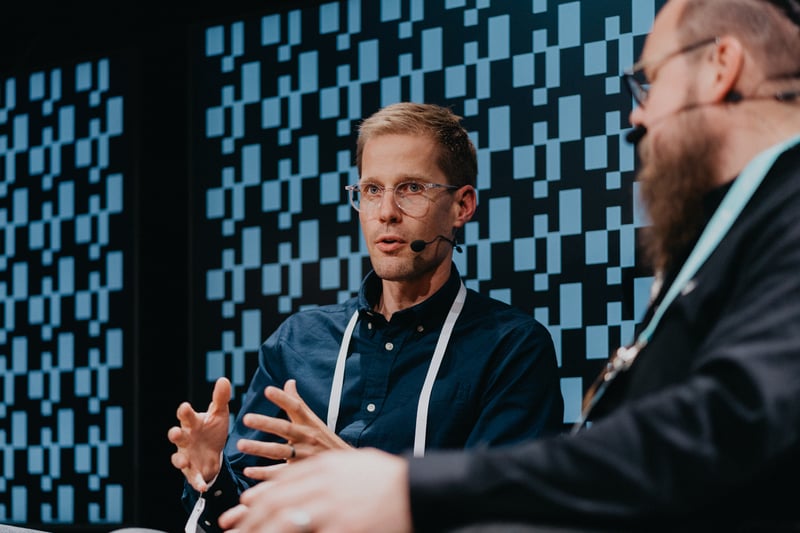

In November, Amsterdam acted as the backdrop for a special gathering hosted by Reaktor. Set in one of the city’s best restaurants, we gathered a group of passionate digital leaders from some of the top retailers to discuss the hottest topic in retail — loyalty. With representation from brands including Under Armour, PVH, adidas, Footlocker, Nike, Ahold Global, ECCO, Etos, and Gall & Gall, the night was a unique opportunity to share experiences – face-to-face – in an intimate setting, paired with great food and wine. The concept for the dinner was simple: casual roundtable conversations, where the seating arrangement changed at each course. Getting executives from leading brands to openly discuss the challenges and opportunities they were facing was refreshing, and undoubtedly beneficial to everyone at the table. We were more than pleased with how the event went and decided to share three topics that kept circling their way back into conversation.
The complexity of data utilization
A recurring theme of the night was just how much customer data was available to brands, and the forever-challenge of actually leveraging this data effectively. The struggle isn’t in collecting data, but in extracting meaningful insights that can best inform loyalty strategies.
Fostering brand loyalty is a challenge, and getting people to put in effort is hard. With loyalty, brands are in the business of changing behaviors. Whether it’s buying another item, trying something different, or discovering new opportunities – the bigger picture lies in understanding your customers well, and that means having the right data (and knowing how to use it).
Having a clear value proposition is crucial, and not necessarily at all obvious. Besides strategy, brands also need the right tactics. Nuanced approaches to data analytics can help you know what a customer’s lifetime value is, and whether they are worth investing into. Getting this data is hard, but if done right can clarify direction while helping brands deliver informed and personalized customer experiences.
Navigating fragmented customer experiences
Loyalty programs need to be as easy to use as possible – almost as if they were out of sight out of mind (think Amazon Prime – a loyalty program we don’t even think of as one). What this means in practice depends on the business. For a sports brand, loyalty might mean how a customer identifies with a brand, whereas for a grocery store it could be all about purchase frequency.
Many of our guests highlighted challenges in providing cohesive loyalty experiences across a diverse set of touchpoints. Managing loyalty programs within multi-brand, multi-channel retail environments is a challenge that demands nuance. Many brands excel in segmenting and engaging customers within a single channel but struggle with getting the same results across multiple channels and ownership structures.
This fragmentation often dilutes the effectiveness of loyalty programs, suggesting a critical need for integrated strategies that seamlessly connect all customer interactions.
Simplifying loyalty programs
Something that really stood out was a collective acknowledgment of a tendency to over-engineer loyalty programs. Complex naming conventions, convoluted reward structures, and hidden benefits create barriers to customer engagement. This often happens as a result of fragmented internal workflows and org structures. When one person comes up with a concept for a loyalty program, another team starts executing on a piece of it, and a third one picks up another part, it’s difficult to stay aligned in priorities.
This lack of alignment can quickly lead a loyalty program into disarray. During the dinner, a participant from AHOLD was looking at the adidas app while the adidas representative was explaining that a part of their rewards program offers members free subscriptions to wellness and health apps, but in fact, there was no clear messaging or path to understanding this within the app. Those subscriptions were all hidden behind additional clicks that were hard to discover.
This highlighted just how much the success of loyalty programs often hinges more on organizational alignment than on the robustness of the program itself. A unified direction and clear objectives across all stakeholders and teams involved is crucial. This alignment ensures that while innovative ideas may look promising on paper, their real-world implementation requires coordinated efforts and shared priorities among everyone involved. A dedicated role to facilitate this coordination can enhance the effectiveness of loyalty initiatives, keeping everyone on track towards a common goal.
Dinners, to be continued
Reflecting on the evening’s discussions, it’s clear that loyalty – particularly in large, complex organizations – is a multifaceted challenge that keeps everyone on their toes, one way or another. Getting this group of digital leaders together to chat through ideas, learnings, and challenges was a fun and intimate way to share valuable insights. We’re looking forward to hosting more dinners soon, with equally good food and next time with a different theme. Stay tuned.
WHITEPAPER
The Latest on Loyalty
Learn how to build lasting relationships with customers. Actionable insights from five leading experts in the field.
Download