Investing in water transit infrastructure is now seen as a more viable, less disruptive way of relieving strain on transport networks in maritime cities.
The promise of a more livable and less congested city is becoming realistic with artificial intelligence and advances in autonomous driving technology. Autonomous ferries create many advantages for city planners, ferry operators, residents, and tourists alike.
On-Demand Vessels that Optimize Commutes
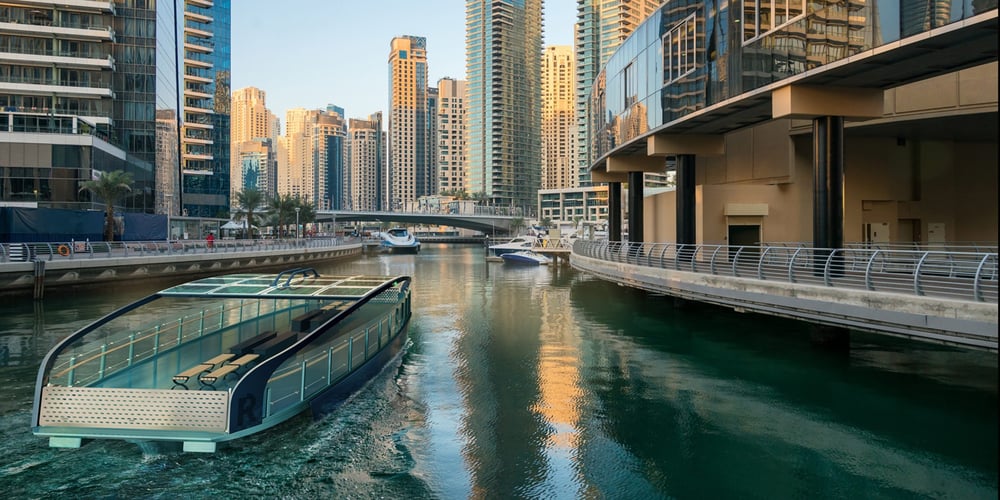
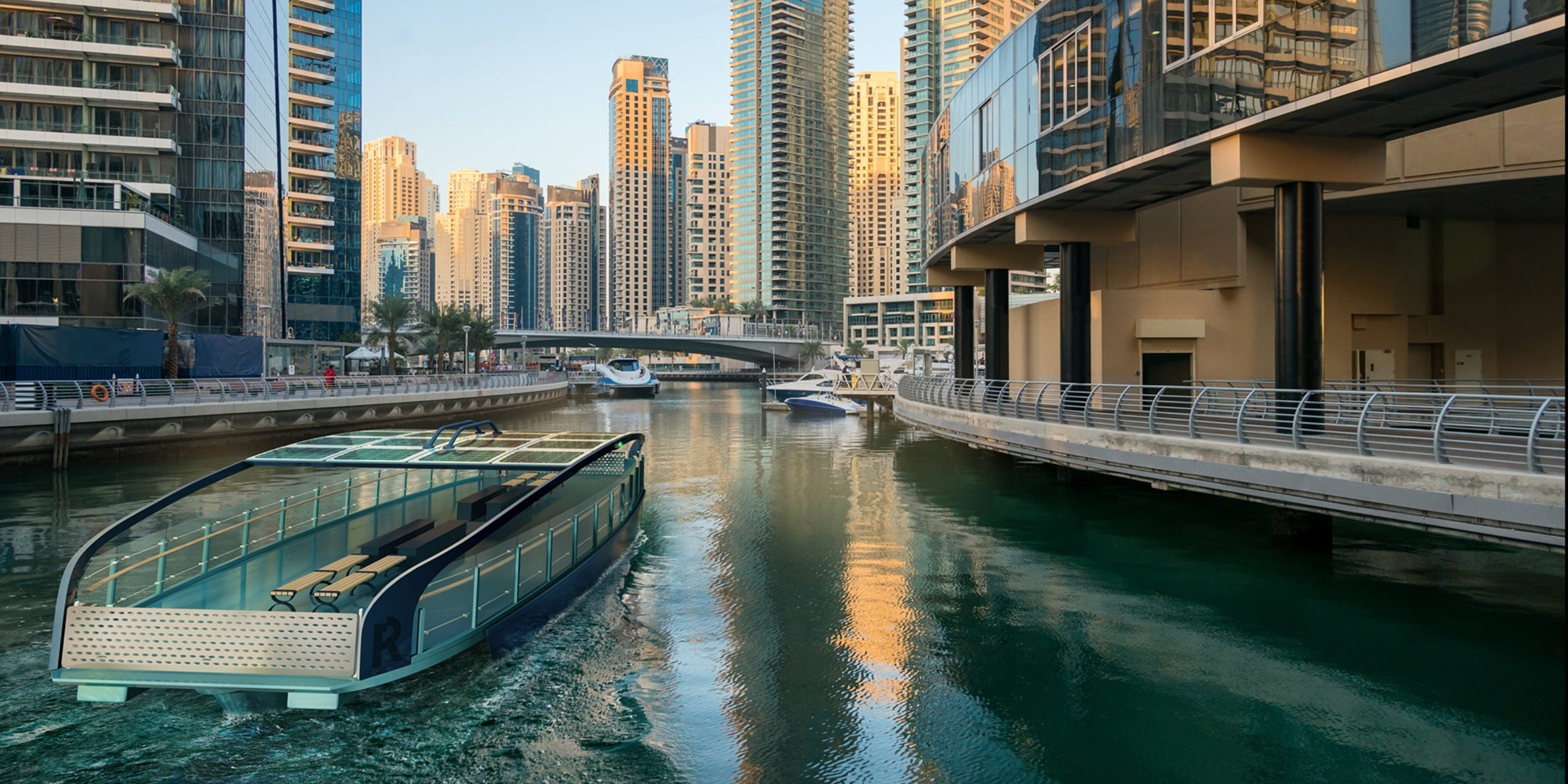
In our vision, autonomous vessels such as ferries play a crucial role in making urban water transport viable, profitable and a joy to use.
When compared with autonomous cars, self-steering ferries are an easier puzzle to solve due to the less complex operating environment: Water traffic is less congested and there are less variables. It also puts the advances made in self-driving cars to use in a mass transit context.
Meaningful autonomous mass transit vehicles on our roads aren’t going to be a reality for some time yet; however, when the same technology is put in the context of waterways, they could be operating in just a few years.
Societal Impacts of Autonomous Mass Transit
Raising city service levels
Autonomous ferries raise transportation service standards, cut costs and in the long term, reduce emissions.
Adapting to usage patterns
Instead of prescribing and predicting routes and schedules, autonomous vessels will learn from actual use to meet changing needs.
Improving quality of living
Autonomous ferries can relieve stress from other forms of mass transit and help the entire network handle peaks better; this makes for more pleasant, less stressful commutes.
New service touch points
By connecting autonomous ferries to their current transportation systems, cities create new touch points for the service industry, resulting in new jobs and services for everyone to enjoy.
Use Cases: From Helsinki to Dubai
Visiting the Helsinki archipelago
Ann is visiting Helsinki and wants to explore the archipelago. Before getting on the autonomous ferry, she selects the most interesting islands, with the ferries optimising their routes accordingly. Ann is able to explore the beautiful archipelago the way she wants, getting picked up at a time and place that suits her.
Commuting in New York
Josh commutes from Williamsburg to Midtown every day. When he gets to the terminal, the ferry knows his typical route and when to expect him, buying him valuable extra minutes in bed.
Deliveries in Dubai
Ahmed runs a busy printing company servicing the marina’s many hotels and restaurants. Delivering to several locations each day, he uses an app to order waterway transportation for printed promotional materials. After accepting the order, the ferry notifies Ahmed's customer to pick up the shipments.