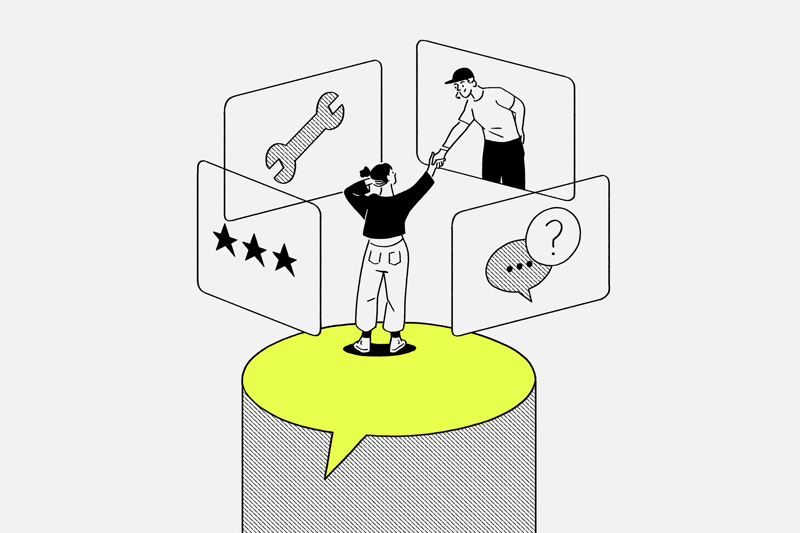
Omnichannel retailing hasn’t lost its appeal since the term was coined over 20 years ago. And it’s no wonder since consumers are becoming more demanding while technical and organizational requirements are becoming more and more sophisticated. Despite its lucrative promises of significant rewards, only a small fraction of retailers have fully embraced omnichannel strategies.
In this comprehensive guide, we focus on demystifying omnichannel retailing, and provide an exercise to help you revitalize your approach to it. Download the strategy exercise canvas and print it out on A3 to work on it together with your team.
Download the canvasWhat is omnichannel retailing?
Omnichannel retailing is a business model promoting a seamless customer experience through multiple touchpoints on all relevant channels. The term “omni” comes from the Latin word omnis, meaning “all,” reflecting the strategy’s core principle: omnipresence.
The key to omnichannel retailing is a centralized data management platform that allows retailers to respond more proactively to customer needs. Instead of having various pieces of information scattered across different (and often poorly integrated) channels, the centralized approach to data allows for full control and better flexibility.
Omnichannel vs multichannel: what’s the difference?
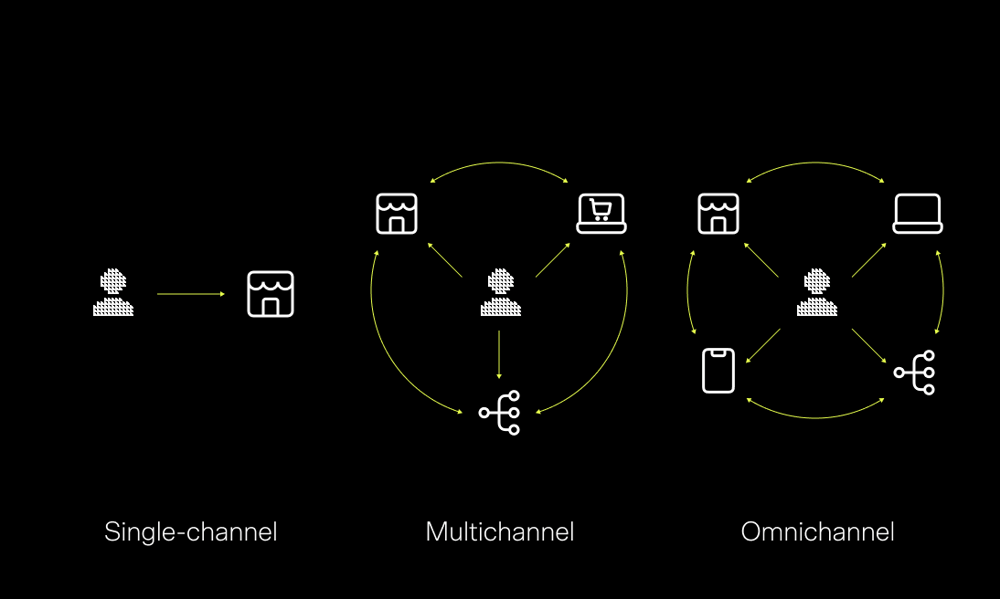
While seemingly similar on the surface, omnichannel and multichannel represent fundamentally different approaches.
The major difference between omnichannel and multichannel strategies lies in the idea of what’s at the center of the approach.
With multichannel retailing, your brand or your product is the epicenter of all the efforts. The number of channels and their respective journeys are pre-selected and primarily static based on retailers’ assumptions of how consumers shop.
Think about a retailer that has both an online shop and a brick-and-mortar store – but the two channels are completely separate, with different pricing and promotions, and no shared loyalty program or centralized customer data. This is a prime example of a multichannel approach when weaving shopping behaviors across various channels into a singular customer experience is mostly possible in hindsight once data is captured by core systems.
The situation is reversed in omnichannel retailing as it puts customers’ expectations at the forefront. Omnichannel, as a business model, is oriented primarily toward long-term shoppers, prioritizing seamless brand experience. This is where channel integrations and centralized data systems come into place.
In omnichannel retailing, a retailer’s systems are able to exchange information in real-time and treat the customer as a single entity as long as they identificate themselves in the channels they interact with. For example, Zalando learns from the consumer’s purchase and return history and recommends the right sizes accordingly.
Download the canvas
Benefits of omnichannel retailing
Although it requires substantial resources for implementation and maintenance, omnichannel strategy benefits can be game-changing:
Enhanced personalization
Remember, omnichannel is all about optimizing touchpoints, not dictating customer journeys. By offering the best selection of next steps at every touchpoint, you can guide consumers to your products without forcing them to follow your optimal processes alone. This creates a never-before-seen level of personalization, which, in turn, increases…
Customer retention
According to Omnisend, customer loyalty can be 90% higher when choosing an omnichannel retail strategy over a single-channel one. Customer retention is even more important nowadays, given the saturated nature of the market and the erratic behavior of the customers. When consumers are convinced of the essence of your promise and the quality of services, regardless of the situation and channel, they turn into recurring paying customers. And this leads to…
Increased sales
The end goal of all retailers is to transform casual visitors into loyal customers. The combination of a wider reach and hyper-personalized customer experiences strengthens brand trust, ultimately driving higher conversion rates.
That is if your omnichannel retail strategy is geared up for 2025.
Download the canvasHow to develop an omnichannel retail strategy. An exercise
To assist retailers in crafting a tailored omnichannel strategy, we have designed a comprehensive omnichannel retail strategy exercise. This all-encompassing canvas is for you and your team to assess your retail proposition, define the role of each channel, and create an actionable plan for rolling out omnichannel features in 2025.
Here’s how it’s done.
1. Plot your retail proposition
The first step to revamping your omnichannel strategy should be identifying where your brand stands. This is your retail proposition.
Your retail proposition reveals what makes your brand unique and why customers choose you – whether it’s your brand identity, shopping experience, or pricing. This clarity ensures your strategy aligns with customer expectations as well as helps you maintain consistency across all channels.
Ultimately, your retail proposition acts as a guide for strategic decisions. A well-defined retail proposition serves as a visual representation of your key competitive advantages, providing a reliable foundation to drive sales.
2. Define the role of channels
Channels are at the heart of your omnichannel strategy. Each channel holds a unique relevance at various stages of the customer journey and for different customer segments.This phase of the exercise guides you in defining the role of each channel, clarifying their integration, and evaluating their contribution to overall business goals. By understanding how each channel fits into the bigger picture, you can create an experience that feels both personalized and meaningful, leading to deeper engagement and customer loyalty.
3. Prioritize omnichannel features
This part of the exercise is all about transforming omnichannel dreams into prioritized features.
We've listed dozens of common omnichannel features. Your task is to determine whether or not they are a strategic priority for you. This canvas helps you map out the features and create an actionable plan for their implementation.
Prioritizing omnichannel features that strengthen your brand is key as it gives you a long-term perspective on what you and your team should focus on, unlocking solutions that are as elegant as they are impactful.
Pro-tip: Revisit this step regularly to stay up-to-date with your competitors and newly emerging technologies.
A way forward for omnichannel retailing in 2025
Just as with evolution, retailing is all about the survival of the fittest. As consumer demands evolve and new technologies appear on the market, your omnichannel strategy must adapt to meet these new requirements.
Periodic evaluations, combined with the adoption of new technologies, are essential to maintaining relevance and delivering exceptional customer experiences. By focusing on personalization, integration, and customer-centricity, you can harness the full potential of omnichannel retailing and turn it into a powerful driver of growth and loyalty.
Download the canvasCanvas
Omnichannel Strategy Exercise
Download the canvas
This canvas will help you develop your omnichannel strategy. Use online or print out on A3!
Download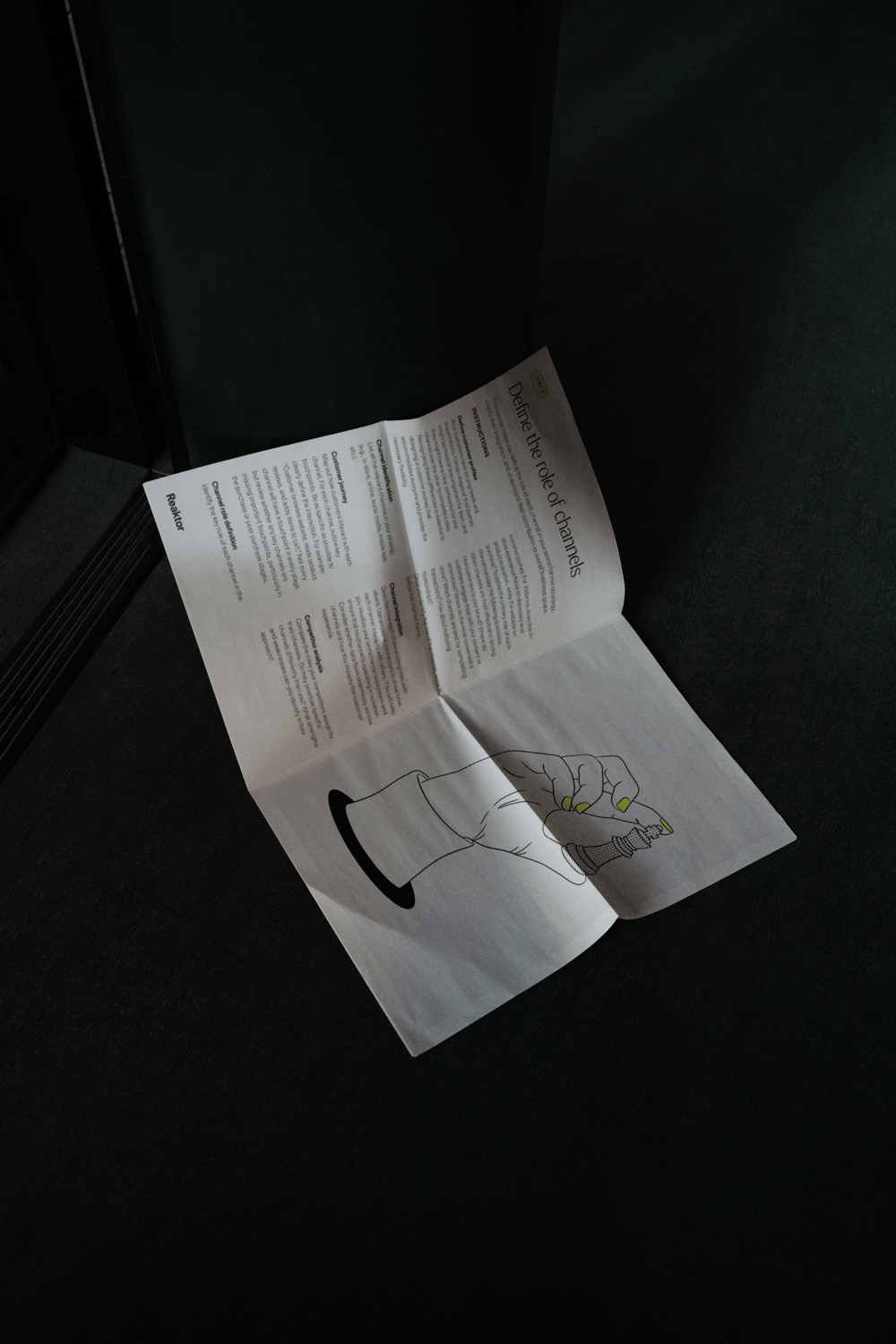
FAQ
What is omnichannel retailing?
Omnichannel retailing is a strategy that integrates multiple customer touchpoints (both online and offline) to create a seamless, consistent shopping experience. Customers can interact with a brand across various platforms, such as physical stores, websites, mobile apps, and social media, with a unified experience across all channels.
How does omnichannel retailing benefit businesses?
Omnichannel retailing boosts sales, enhances customer loyalty, and improves customer satisfaction. It provides businesses with valuable insights into customer behavior, allowing for personalized marketing and better inventory management. By offering convenience and a consistent experience, it strengthens brand loyalty and increases conversion rates.
What are the challenges of omnichannel retailing?
Key challenges include managing inventory across multiple channels, ensuring a consistent customer experience, integrating technology systems, and handling the complexity of logistics. Businesses also need to invest in training staff, managing data, and keeping up with changing customer expectations.
What’s the difference between multichannel and omnichannel retailing?
Multichannel retailing involves selling through multiple channels, like online stores, physical shops, and social media, but these channels may operate independently. In contrast, omnichannel retailing integrates all channels into a cohesive experience, where customers can move seamlessly between them without disruption.
How to create an omnichannel retail strategy?
To create an omnichannel strategy, businesses should start by understanding customer needs and behaviors across different channels. This involves integrating all platforms (online, mobile, in-store) and ensuring consistent branding and messaging. Next, invest in technology and tools for inventory management, customer data analytics, and marketing automation. Regularly review the strategy to adapt to changes in customer expectations and market trends.