
Summary
HBO and Reaktor have been tag-teaming since 2014. Since then, HBO has grown to become one of the largest content streaming platforms in the world, with 75+ million HBO and HBO Max subscribers globally.
In the past seven years, the partnership has transcended many stages of growth and development. From making major infrastructure improvements that maximized Game of Thrones premiere night viewership to building a preview system that further facilitated easy uploads and custom scheduling for content partners globally. HBO’s strategic caliber has allowed them to develop technology that enables the company to compete in an increasingly contested market.
One of the key themes of the collaboration has been the building and scaling of HBO’s direct-to-consumer channels. Reaktor and HBO worked together to build strong technical foundations beginning with a silent migration of users from a third-party platform onto HBO’s own tech stack and eventually culminating in HBO’s seamless D2C expansion to more than 55 countries worldwide.
Highlights
Succesfull migration of millions of users
Silent migration of users from a 3rd party platform to HBO’s own tech stack
Launching D2C
Launched D2C functionality to bring more people to HBO directly
Rollout of a global payment system
Built a scalable backend payment processing system that allowed for 5+ payment platforms, enabling expansion to 55+ countries.
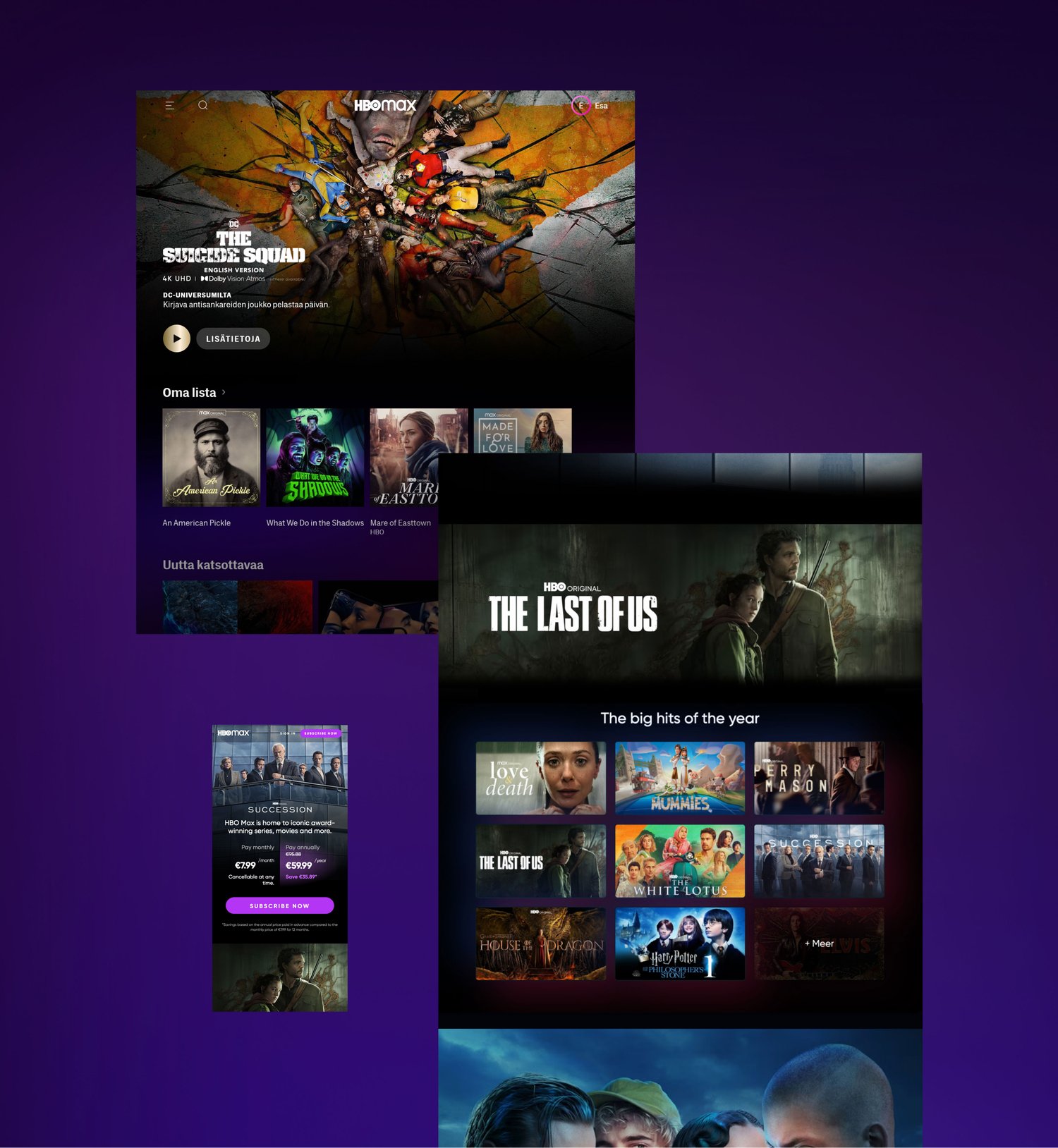
A seamless user migration
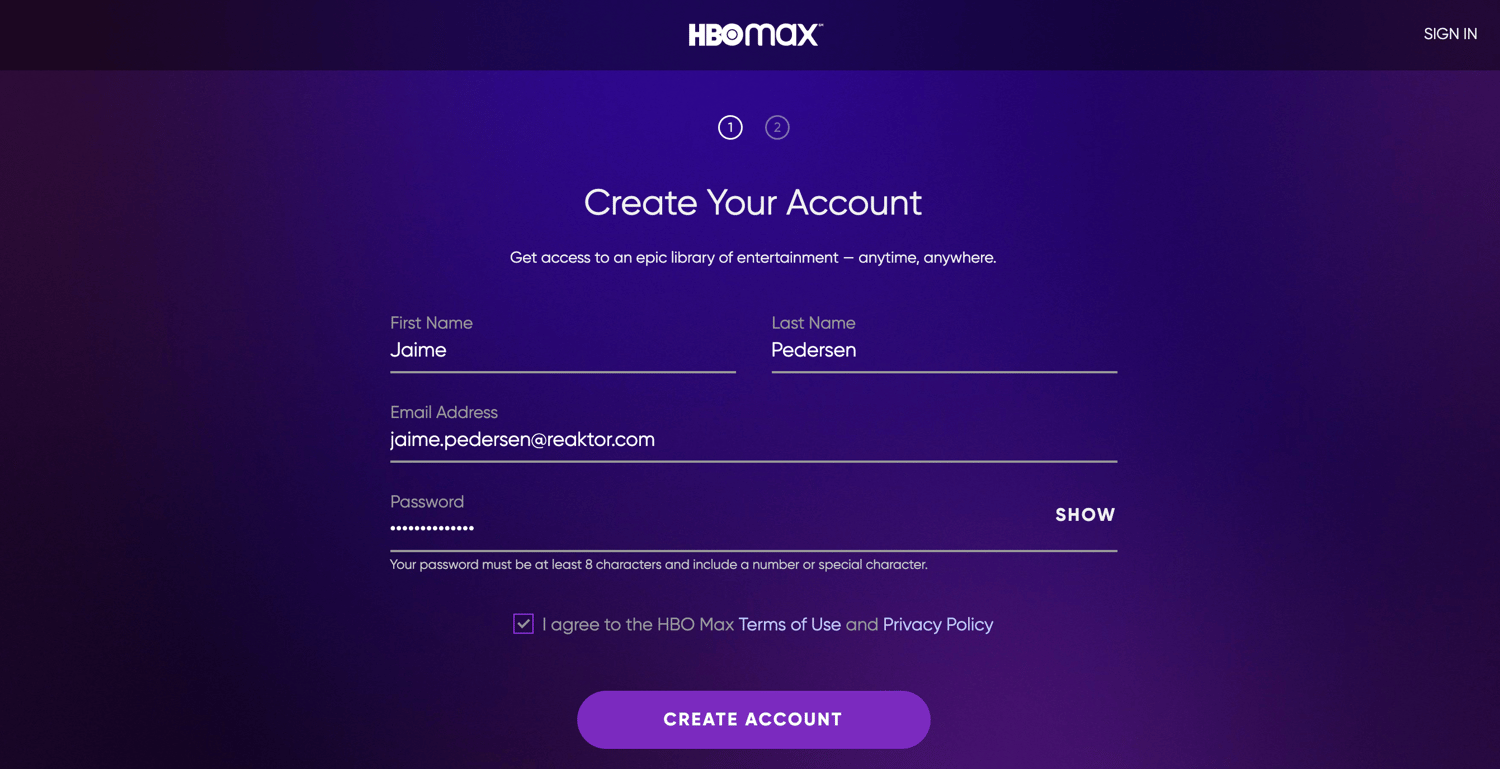
In 2016, HBO was hosting its users on two separate platforms; HBO Now on MLBAM and HBO GO (the name of the product itself) in-house. That split was expensive and meant HBO not having control over all of its tech and development.
Reaktor worked with HBO on their own code base, and our job was to figure out how to get all of the accounts on MLBAM (HBO Now) and move them to HBO’s own platform with zero downtime and completely seamlessly to users. The process began in mid-2016, with the first parts of the migration occurring in mid-2017. This was first done in batches, and eventually at scale.
Before, HBO was constrained by duplicated and complementary features split between two different platform and development organizations – HBO’s own code base, and MLBAM. Having all of this in-house simplified everything. Launching new features became easier, and shipping new features and functionality significantly faster. The efficiency also showed in user numbers. In 2016 the number of HBO Now users (on MLBAM) was 800k, and after the migration at the end of 2017 the number had gone up to 2M, growing further to 5M in 2018.
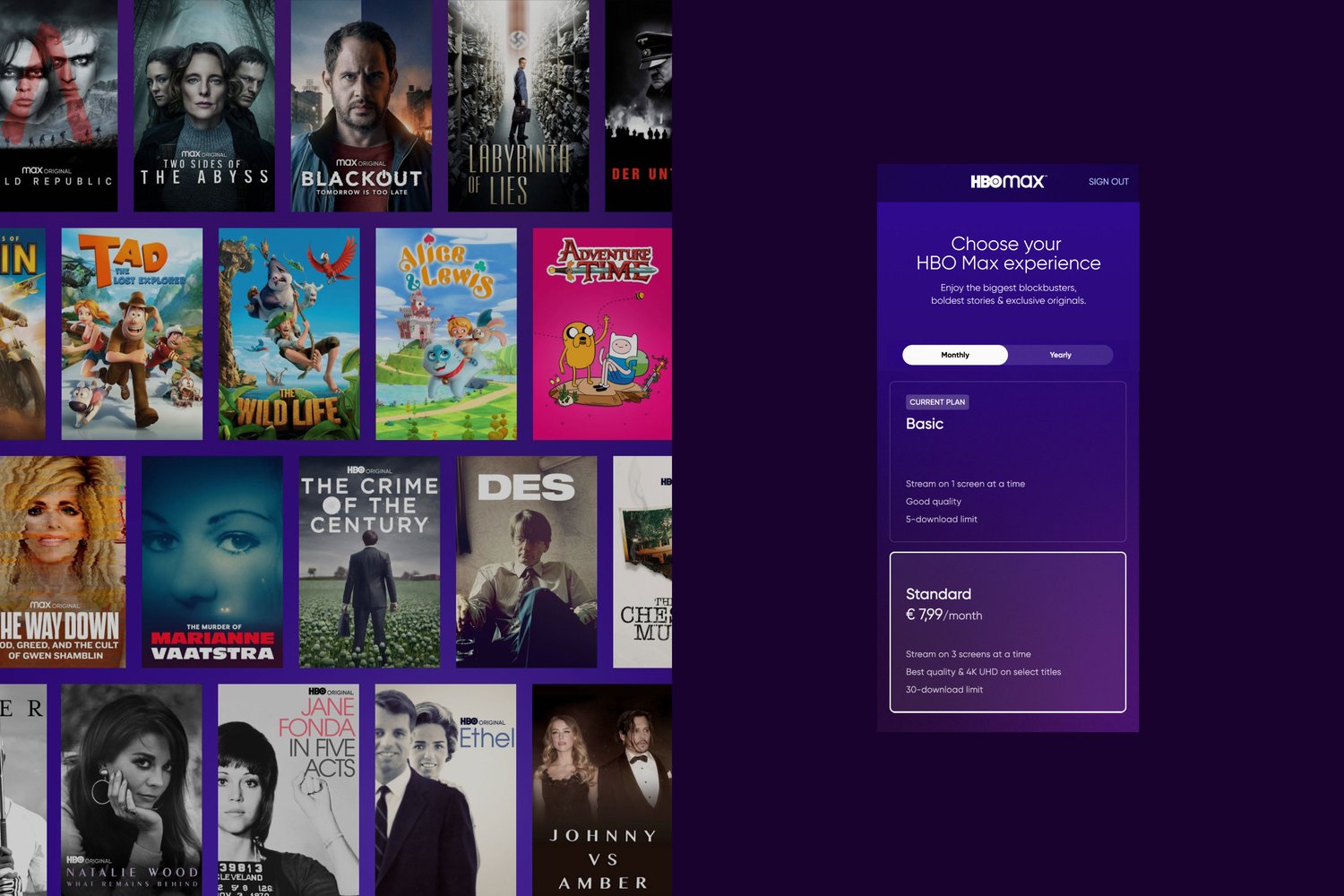
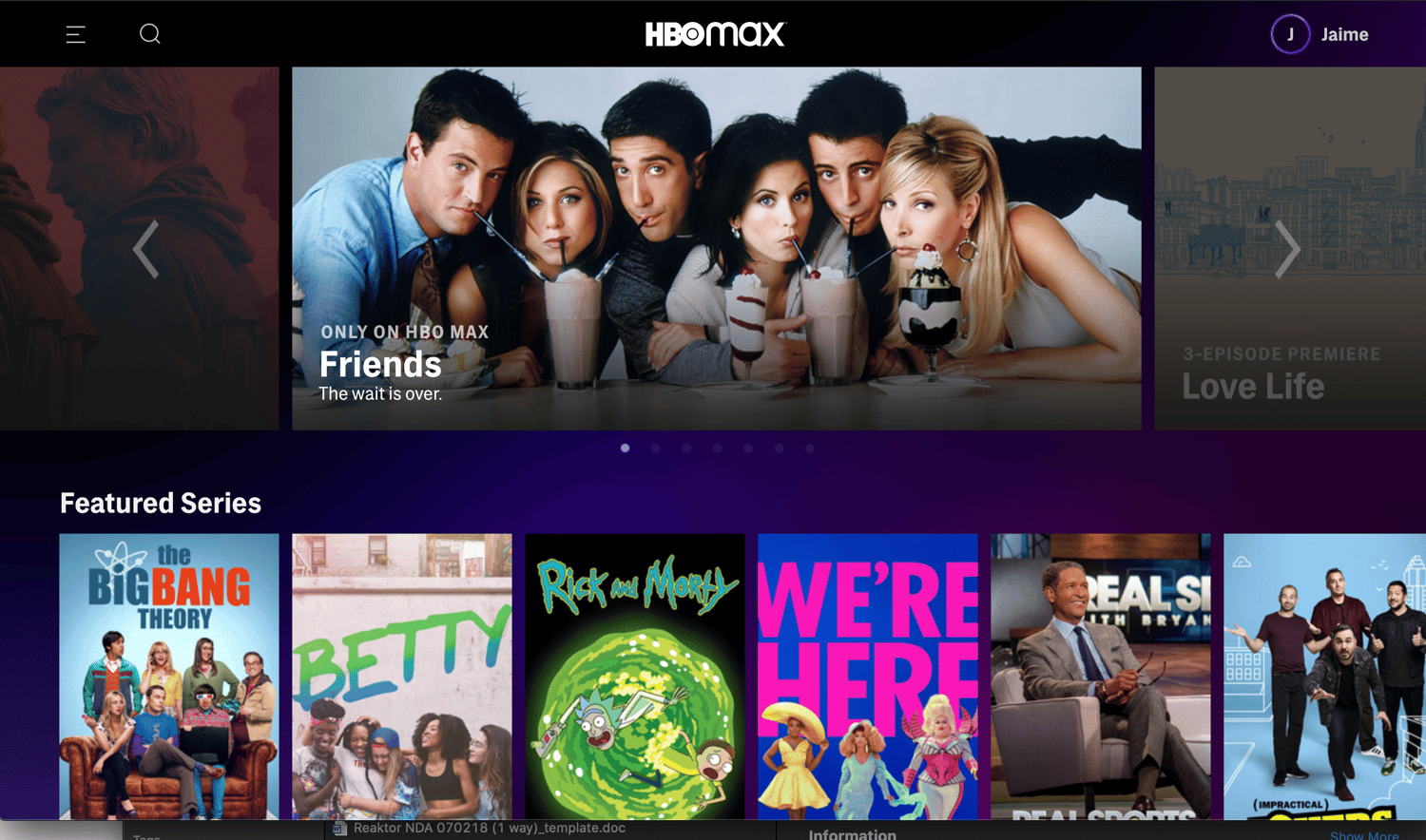
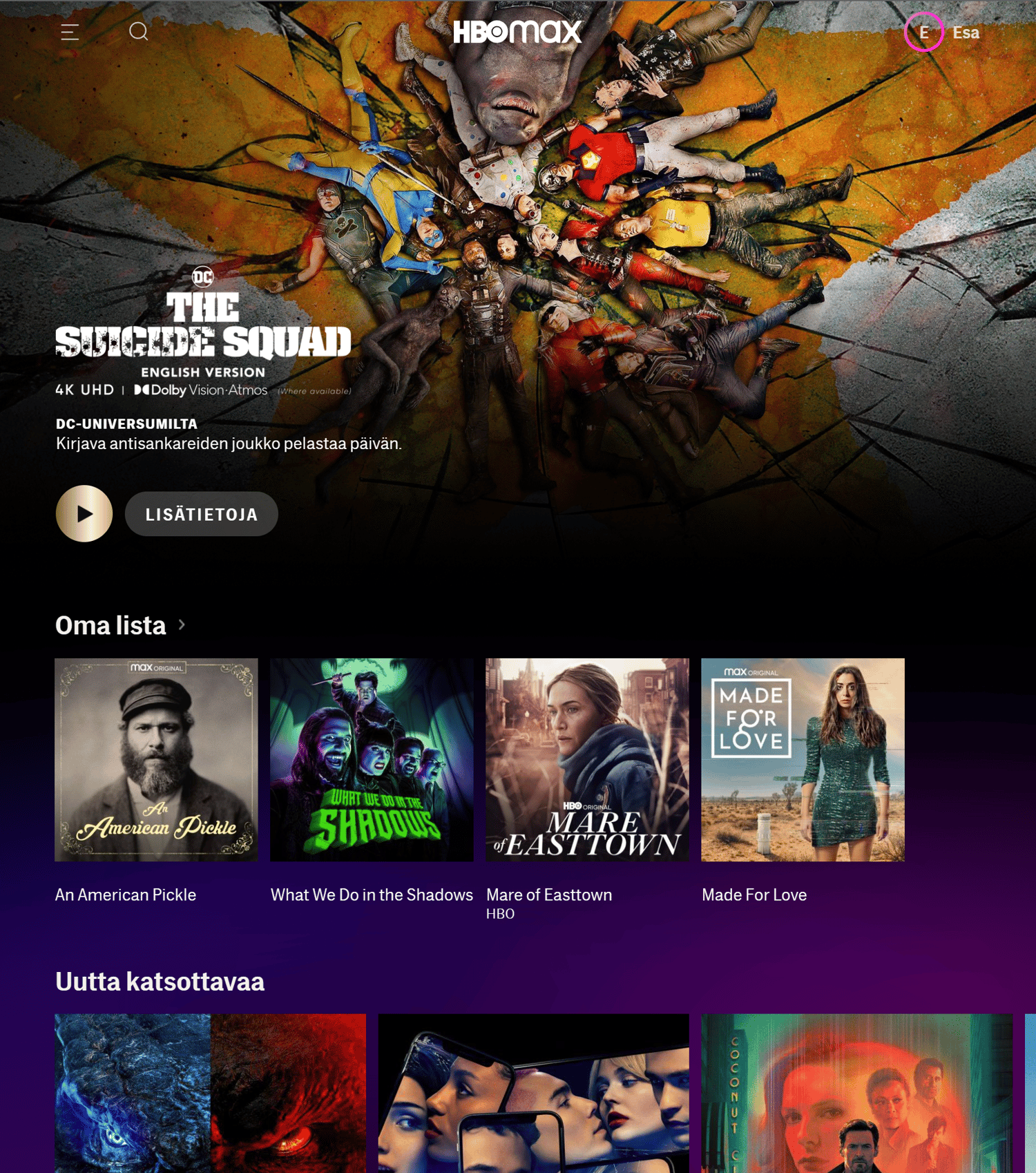

Launching direct-to-consumer and building HBO Max
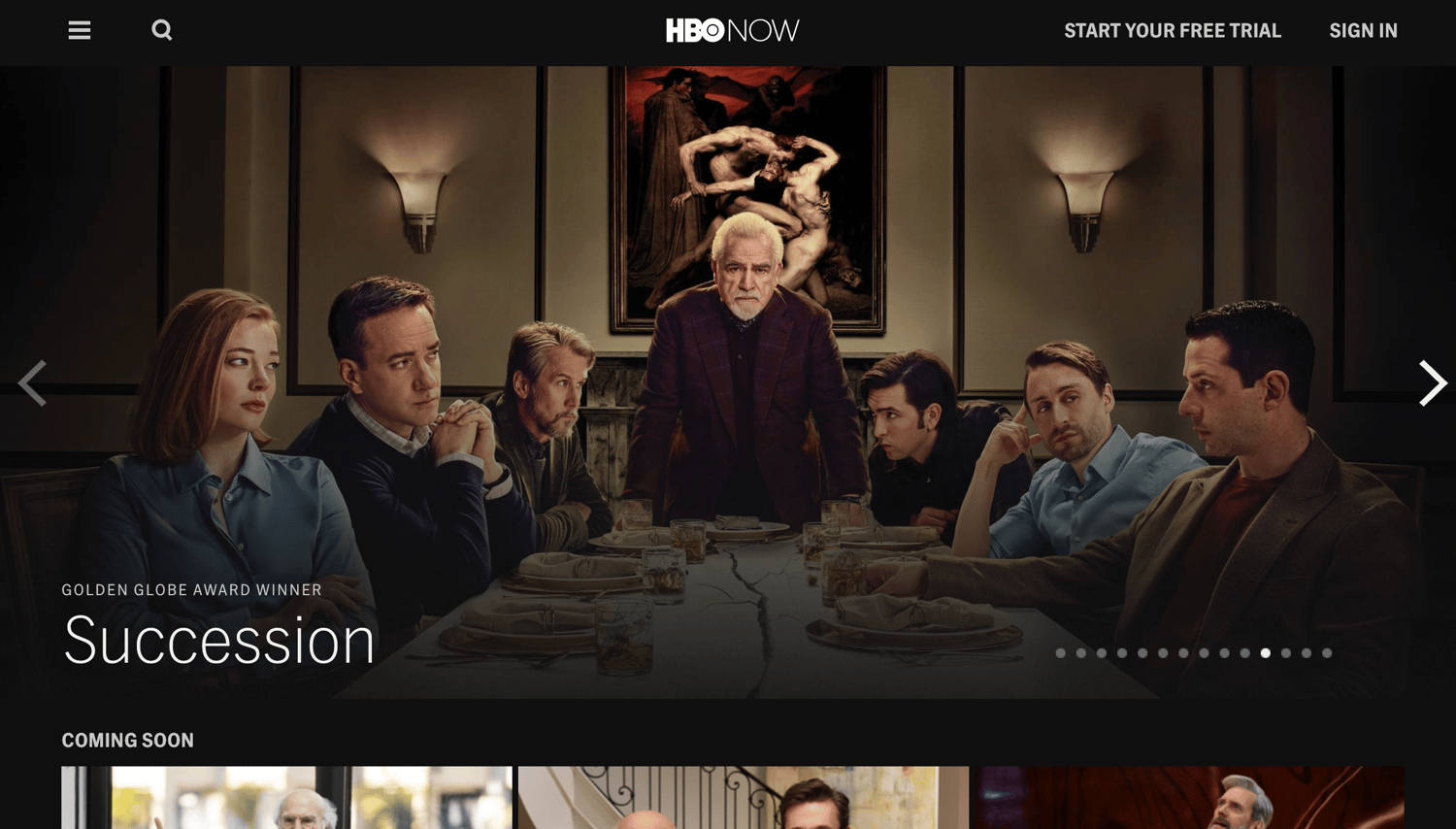
The successful migration of users allowed HBO to start thinking about the next step: launching direct-to-consumer. This meant allowing people to directly purchase access to HBO NOW through their website, rather than third-party apps. The launch happened in late 2018, kicking off another period of spurred growth.
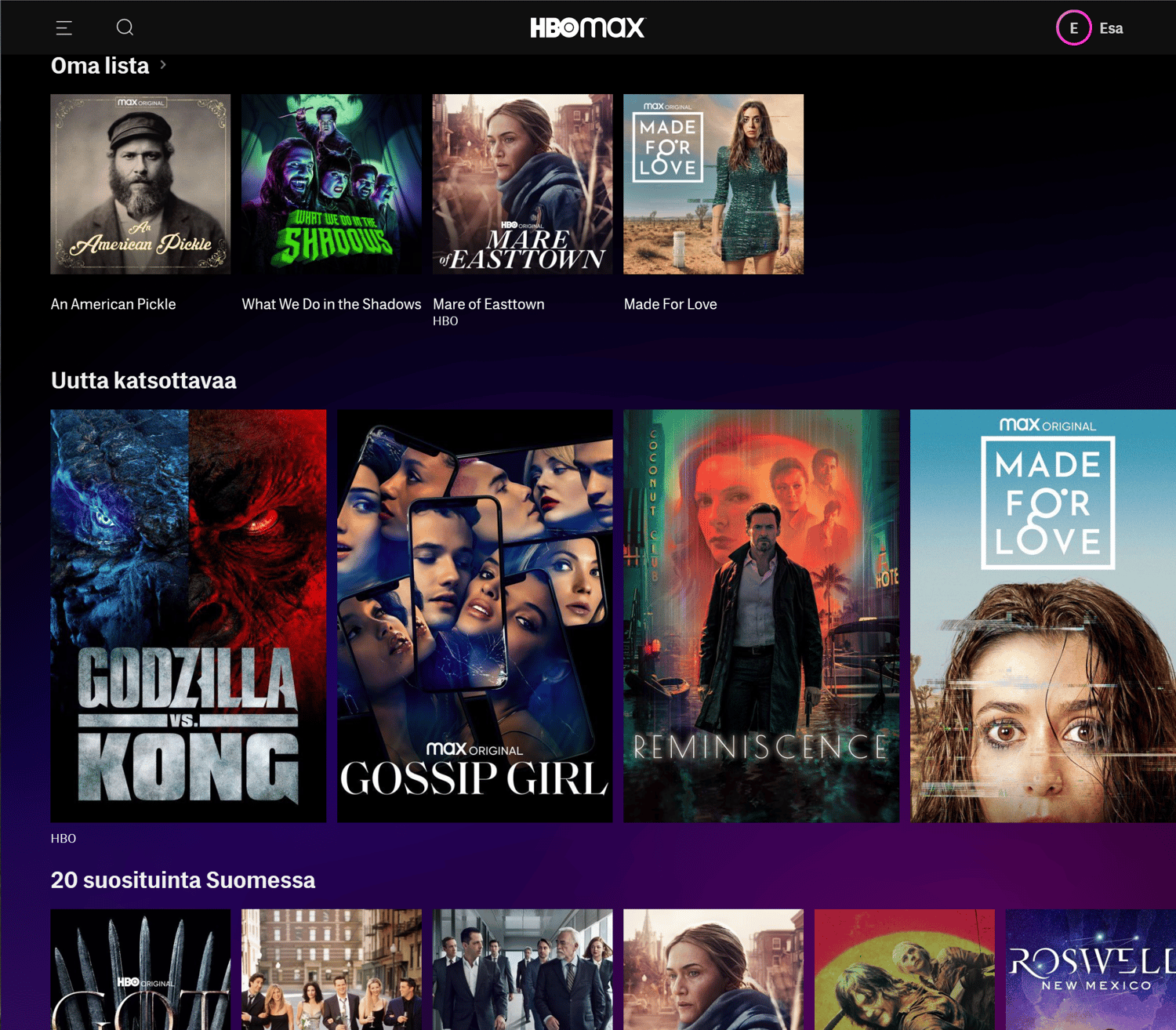
Meanwhile, HBO and AT&T’s merger presented yet another opportunity. A new platform combining content from HBO, Turner, and Warner Bros. was to be built, which would go on to become HBO Max. The project kicked off in the summer of June 2019, with Reaktor deploying five teams in Europe and the US to be heads-down on building both the front and backend experience for HBO Max.
HBO Max was successfully launched in May 2020. By the end of 2021, HBO Max subscribers in the United States were at 43.5M (compared with 5M in 2018).
Rolling out D2C to 55+ countries
The next phase was to roll out HBO Max internationally. The challenge with global expansion was primarily with backend systems. HBO would need to integrate with multiple payment platforms to be able to launch in all of its target countries.
The work in building scalable backend payment processing systems had been kicked off years ago, but it was still a challenge to allow for different payment platforms from many different countries. There were a few teams working across various regions, culminating in three large international launches with six different payment platforms. The launches were rolled out iteratively, starting with Latin America in June of 2021, and then moving to Europe in two separate phases at the end of 2021 and beginning of 2022.
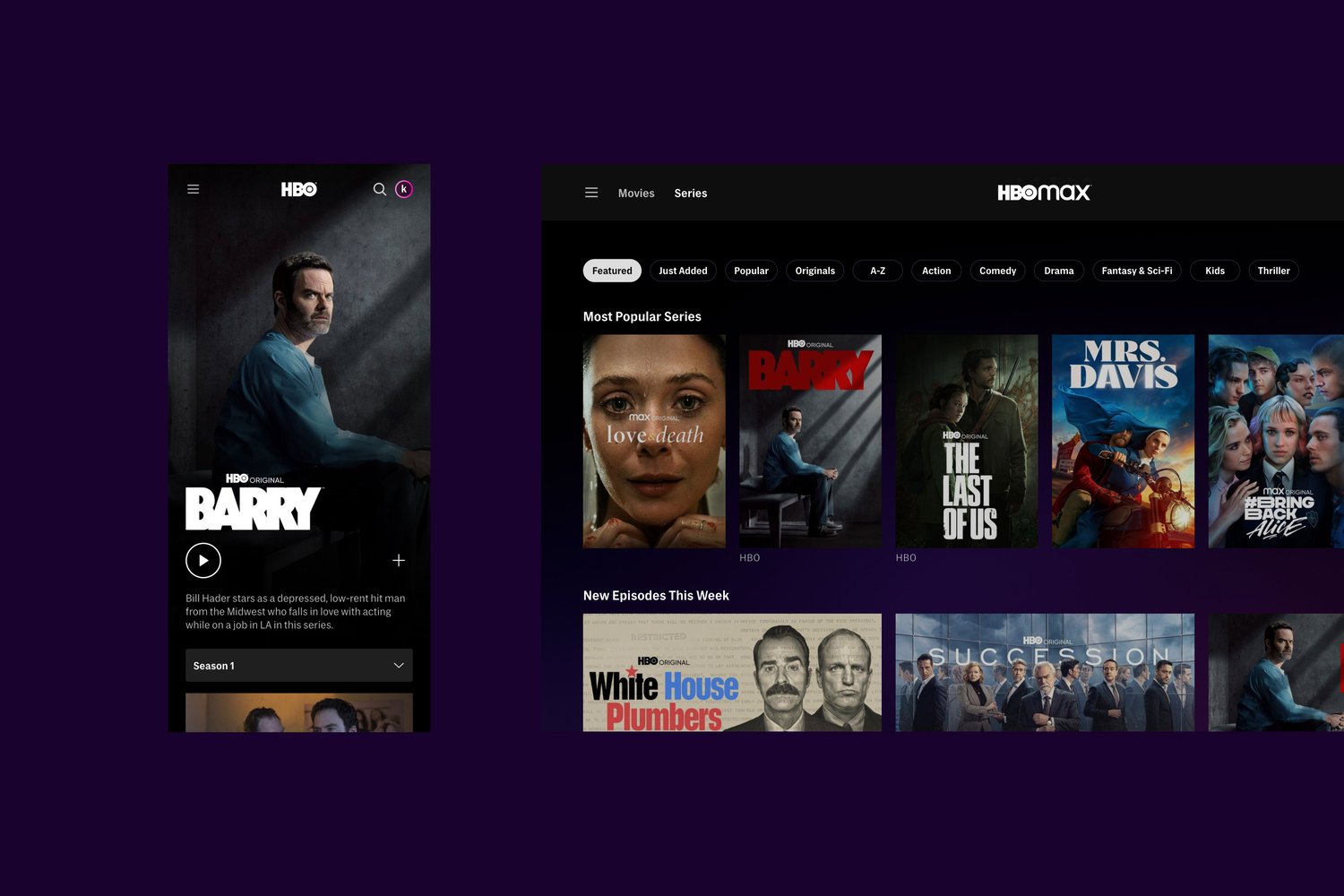
The result was a successful expansion of HBO Max to more than 55 countries worldwide. Today, HBO’s user numbers are at more than 80M, with HBO ranking as one of the biggest content streaming platforms globally.
Outputs
- Seamless migration of 800k users from MLBAM to HBO NOW
- Seamless migration of +5M users from HBO NOW to HBO Max
- A scalable backend payment processing system
- Expansion from one to multiple payment processors in the US
- Integration of new payment processors internationally
- Smooth and successful international rollout to +55 countries
- Using Amazon Web Services (AWS) to scale
Contact
Let's take the next step together

Dan DeCoste
Business Development Director