Summary
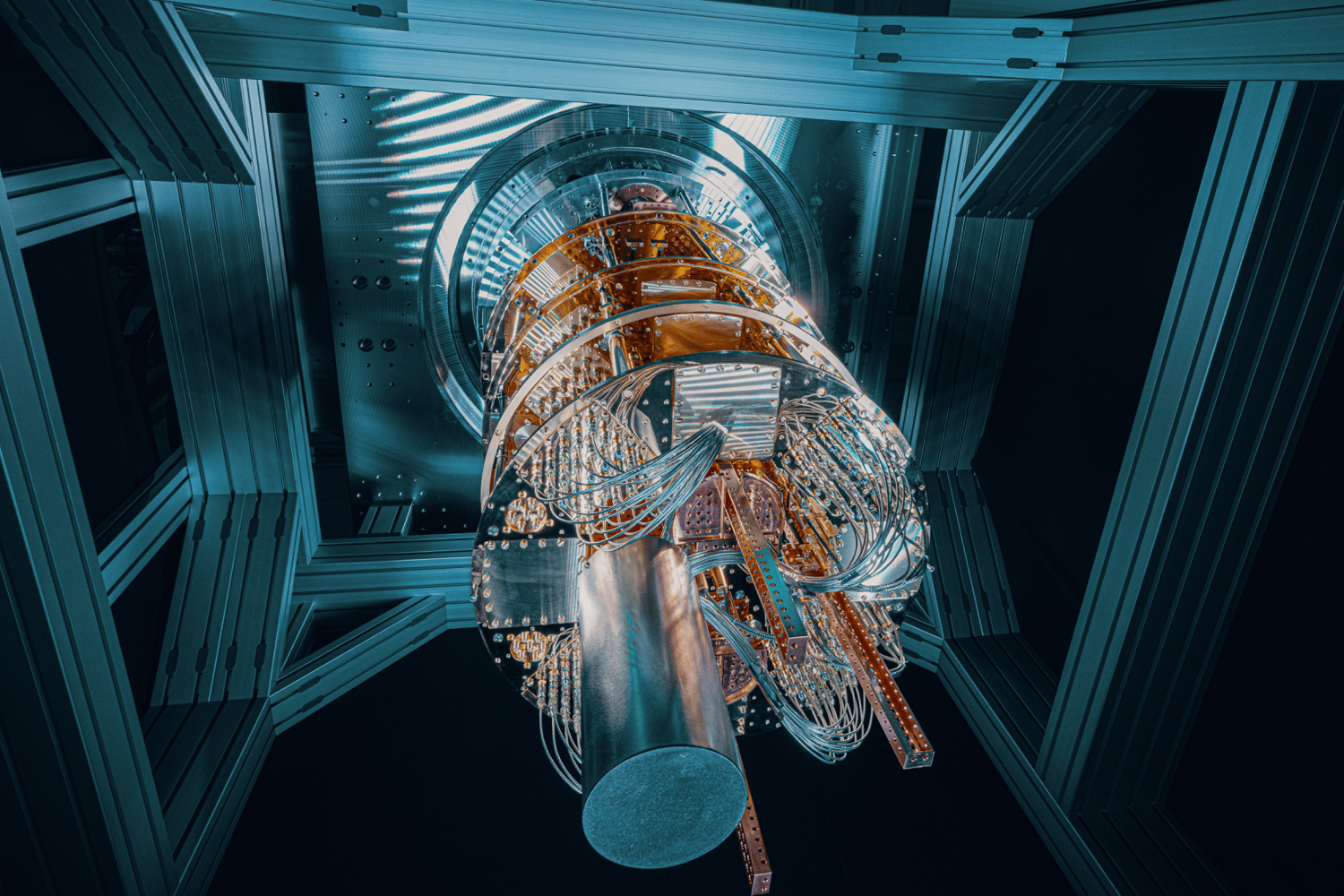
Quantum computing is one of the most exciting emerging technologies of our age, having the potential to solve problems critical for the wellbeing of human-kind. Yet, the technology has been characterized by limited availability and access. All of this is being transformed with cloud-based quantum computing.
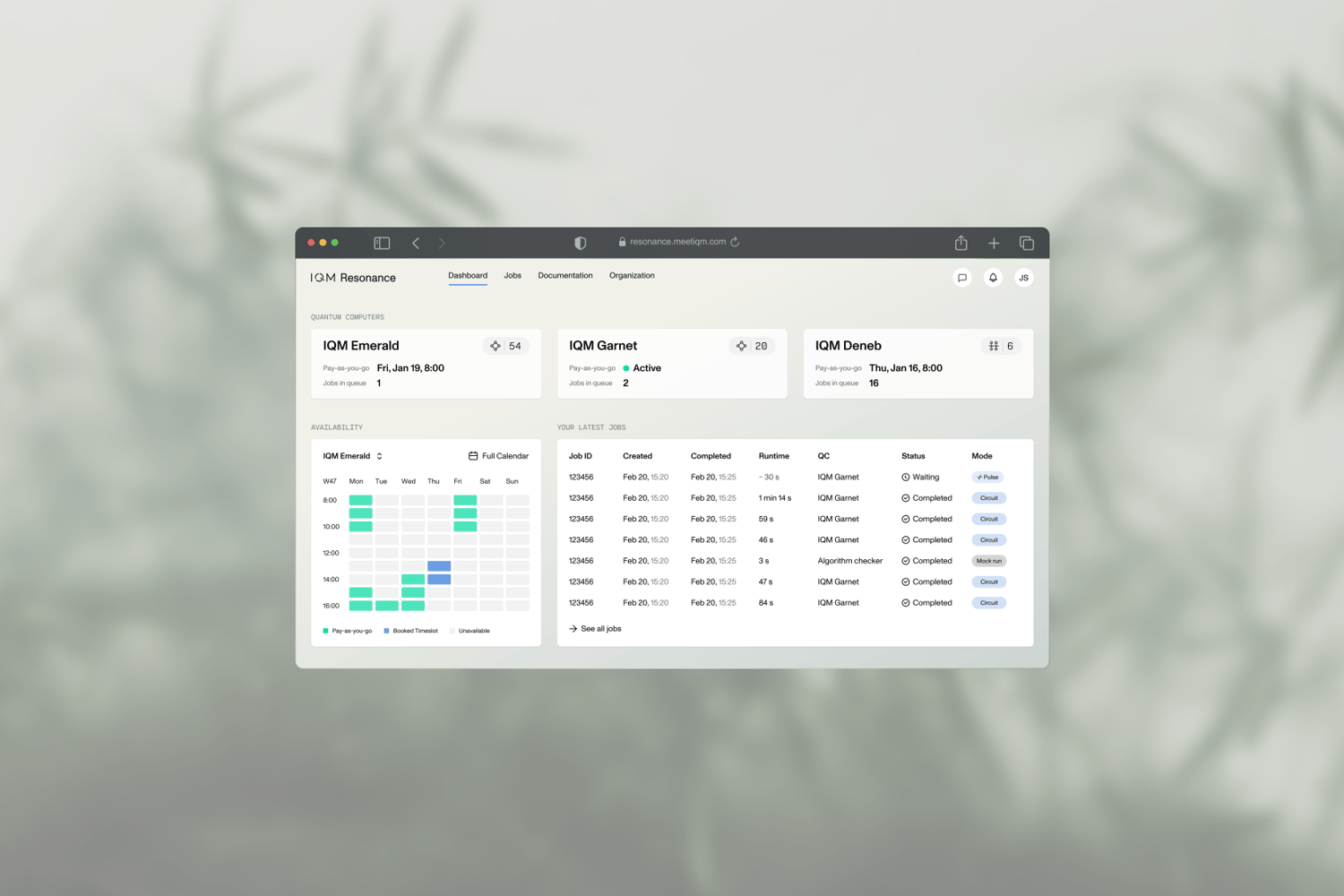
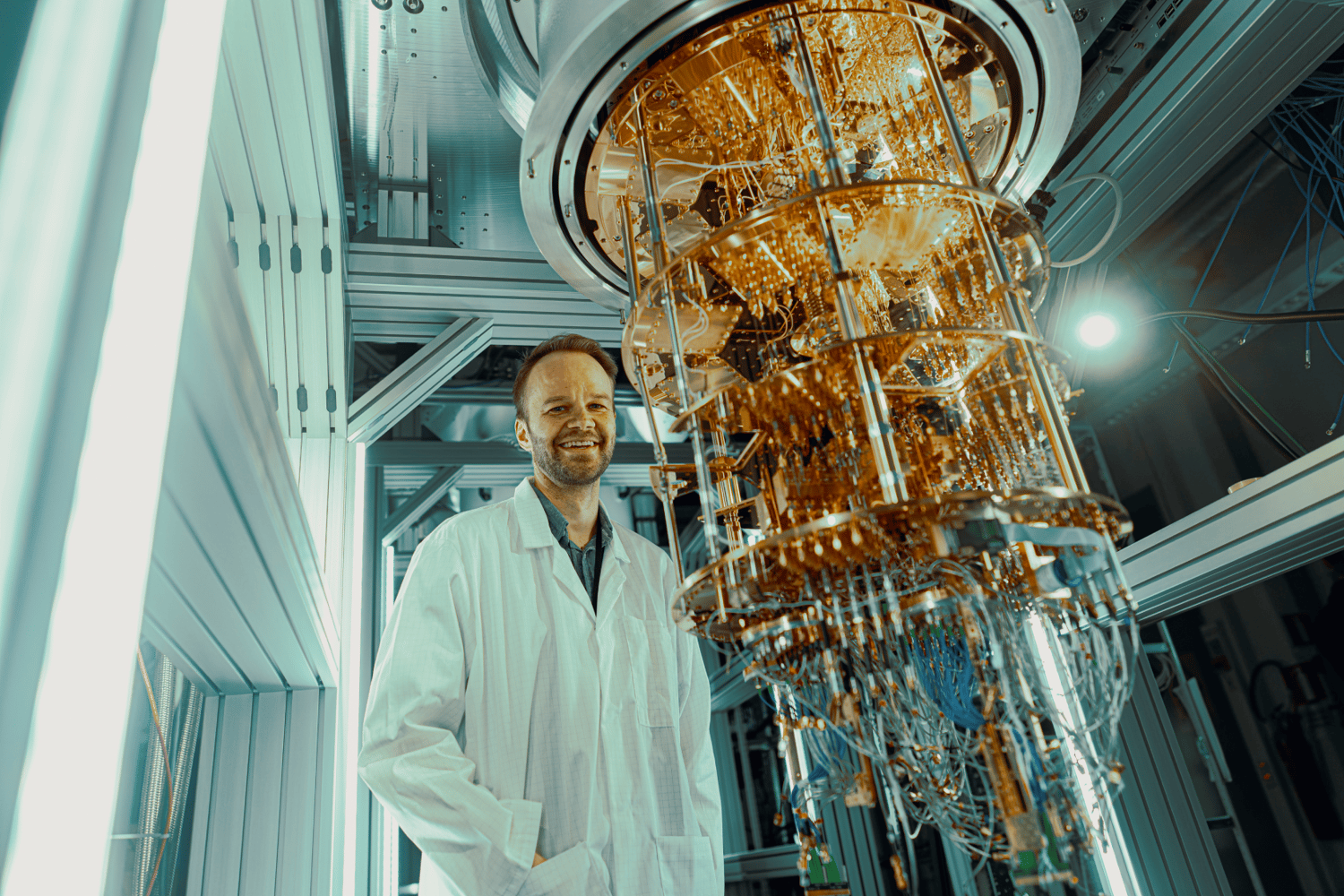
IQM is a key player in the quantum ecosystem. This Finnish company, founded by a team of renowned scientists in 2018, is a global leader in building quantum computers. Now, in addition to the on-premise solutions, IQM offers cloud-based access to their cutting-edge quantum computers – breaking down the barriers of entry and offering this technology to a broader audience of researchers. This service is called IQM Resonance.
Our team of IQM and Reaktor experts designed this platform as a flexible and scalable alternative to on-site infrastructure, empowering even more research institutes and companies to experience the power of IQM's quantum computers. This pioneering cloud platform provides a unique gateway for organizations to discover and innovate with IQM's technology.
Project highlights
1st quantum cloud in the Nordics
IQM Resonance is the first of a kind in the Nordics
500+ users
Over 500 experts executing quantum circuits onIQM Resonance
With IQM Resonance, we are working towards the vision of making quantum computing accessible. By lowering that barrier of entry, we get more researchers using quantum for solving problems and accelerating the whole industry.
About quantum computing
Think of quantum computing as a new creative tool – like the jump from 2D design to 3D modeling or static images to interactive prototypes. It expands the realm of possibilities by using entirely new principles to solve previously too complex problems for traditional methods.
Quantum computing is a type of computation that leverages the principles of quantum mechanics, the physics that governs how particles behave at a microscopic scale. Unlike classical computers, which use bits – 0s and 1s – quantum computers use qubits. Qubits can exist in a combination of multiple states (a concept called superposition) and can be connected through entanglement. This allows quantum computers to tackle specific problems that are difficult or time-consuming for classical computers to solve.
Researchers, industries, and governments are investing in quantum computing because it can reshape fields like healthcare, logistics, finance, and materials science.
For example, quantum computing is often used to:
- simulate molecules for drug discovery,
- optimize complex logistics such as delivery routes or financial portfolios, or
- enable new opportunities in machine learning.
The challenge
Access to quantum computers is limited, with only a handful of researchers and organizations having the opportunity to work with these cutting-edge devices. To accelerate the advancement of quantum science, it's essential to provide more scientists and developers with the chance to test, experiment, and innovate with quantum computers.
IQM Resonance, aims to lower this barrier to entry. It is accessible to a wide customer base and is made globally available to researchers, developers, and enterprises of all sizes. By enabling access through the cloud, IQM seeks to unlock the full potential of quantum computing, which has been limited by the restricted availability of hardware and expertise.
As always, building new technologies and innovative solutions pose their own challenges. Creating IQM Resonance required diving deep into a niche, academic, and complex field. It was crucial to understand the process of developing a quantum program and identify the use cases the service needs to support. We designed and built architecture to provide a secure layer for customers to access IQM's quantum computers through the cloud.
The design process required creativity and curiosity: the emerging nature of quantum technology means that widely recognized UX patterns are only starting to take shape. Furthermore, specialist digital services for researchers often overlook the importance of user experience, instead prioritizing complex features and functionalities over intuitive design. With IQM Resonance, we embraced the principles of human-centered design. By putting the needs of our users first, we made a service that's intuitive and easy to use, allowing researchers to focus on their work.
Our approach
Discovery
The first goal in building IQM Resonance was to understand the problem space, target users, and define the core requirements. We began by analyzing the existing architecture and developing a plan for the desired state while clarifying our target audience. We prioritized features tailored to the needs of our core audience: experienced algorithm developers in research.
Methods:
- Stakeholder workshops and interviews
- Customer research
- Journey mapping
- Competitor analysis
- Requirements analysis
Building the minimum viable product for internal testing
During the minimum viable product (MVP) phase, we focused on building a functional product that addressed core user needs, refining it iteratively through feedback and co-design with IQM’s internal teams.
A key part of this phase was establishing our design principles – personal, simple, and transparent – to guide the design and development process. These principles ensure that the platform adapts to diverse user needs, has simplified workflows, and communicates clearly and honestly with users. By combining these principles with co-design, prototyping, and agile iterations, we laid a strong foundation for a user-centered and intuitive service.
Methods:
- Wireframing and prototyping
- Co-design
- Agile design iterations
Shaping IQM Resonance for global markets
With the foundation laid solid, we got to finalize the product with enhanced usability, scalability, and clarity. The official release introduced the core features identified during the discovery and testing phases, designed to support algorithm developers from planning the circuit to submitting and optimizing the quantum programs.
IQM Resonance supports users in every step of their process. From selecting the ideal hardware to writing, testing, and executing quantum programs, IQM Resonance provides a seamless journey for algorithm developers. Its intuitive tools, transparent processes, and robust resource management ensure that users can focus on problem-solving and advancing quantum innovation easily and efficiently.
Methods:
- High-fidelity prototyping
- Heuristic evaluation
- Visual design refinement
Introducing IQM Resonance
IQM Resonance democratizes quantum technology by offering cloud-based quantum computing for research institutes, universities and enterprises. Here’s how it works.
1. Choose the right quantum computer
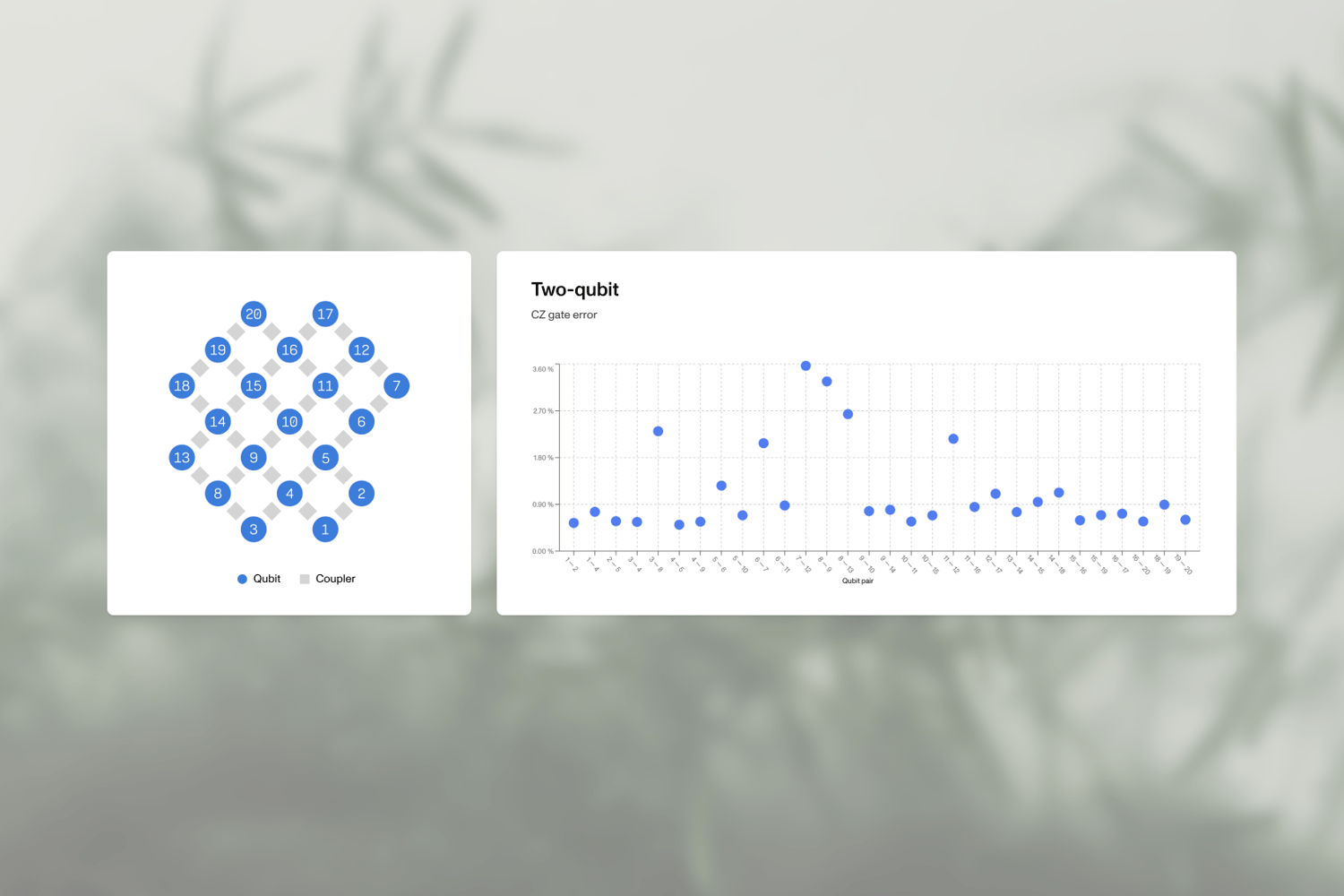
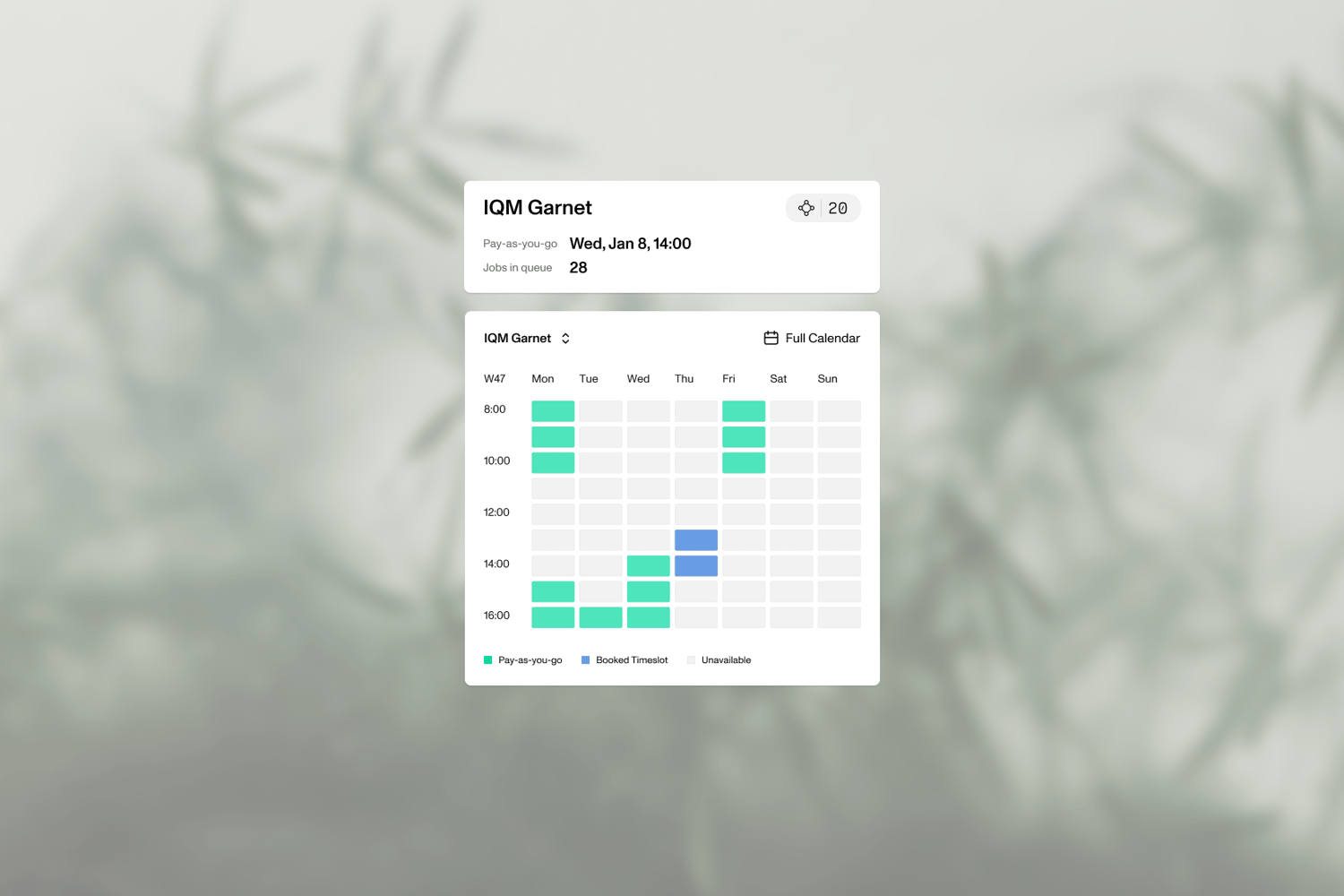
IQM develops quantum computers based on two distinct architectures – Crystal and Star, which is an industry-exclusive. Through IQM Resonance, users can explore hardware specifications, quality metrics, and real-time availability calendars for each quantum computer. This allows them to make informed decisions on the best hardware for their specific algorithms or experiments.
2. Plan and write the quantum program
IQM Resonance provides users with up-to-date benchmarking data. These performance metrics (for example, qubit coherence times and gate fidelities) help users optimize their circuits and select the most appropriate qubits for their algorithms.
The service allows seamless integration with software development kits. It’s compatible with Qiskit, Cirq, NVIDIA CUDA Quantum, and Qrisp for circuit design and algorithm programming. With the Quantum Algorithm Checker, users can validate the program for syntax errors, unsupported operations, or compilation issues before submitting it.
With these features, users can plan circuits effectively using accurate, real-time performance data, use their familiar tools to design and optimize circuits, save time, and reduce frustration by identifying errors early in the process.
3. Submit the programs to the quantum computer
The service supports flexible operating modes. Users can choose between pay-as-you-go (queue-based) and exclusive timeslot (scheduled) modes. IQM Resonance also offers real-time feedback: once submitted, jobs are visible instantly, with updates on queue position, estimated runtime, and cost. This allows users to submit jobs based on preferred scheduling needs, whether exploratory testing or planned execution.
4. Monitor and manage programs
Once submitted, users can stay up to date on the programs. They get detailed job statuses and can monitor whether their programs are waiting, running, completed, or failed, as well as get actionable feedback for debugging. In the details, they can also access runtime data, cost, and execution metrics for each job.
5. Manage resources and workspaces
Quantum computing resources are typically shared within institutions and between users. Role-based access control allows organizations to manage resources with roles like Admin, Scheduler, and User, allowing granular permissions for organizations and teams. Credit management allows users to allocate and track credits across teams and projects with transaction histories.
Through Timeslot Booking, Admins and Schedulers can reserve exclusive quantum computing time for their organization or team. Additionally, workspace management enables seamless switching between organizations and teams for multi-project workflows.
All these features help collaborate efficiently across teams and organizations while maintaining clear resource control. Through them, users can scale workflows from individual projects to enterprise-level operations.
The impact
IQM Resonance is one of the trailblazers, making quantum computing available for researchers everywhere. By providing access to quantum computers via cloud, IQM is able to further accelerate the development of the quantum technology.
The service has attracted more than 500 users executing quantum circuits on the platform. Recently, Oak Ridge National Laboratory (ORNL) has incorporated IQM Resonance into their quantum computing user program – the leading quantum computing program in the world. User reception for IQM Resonance has been positive. Quantum Insider praised the service for enabling exclusive usage of quantum computers and the seamless user experience.
The launch of IQM Resonance has created increased interest in IQM’s offerings, further accelerating the appreciation of Finnish technical expertise around the world.