
Summary
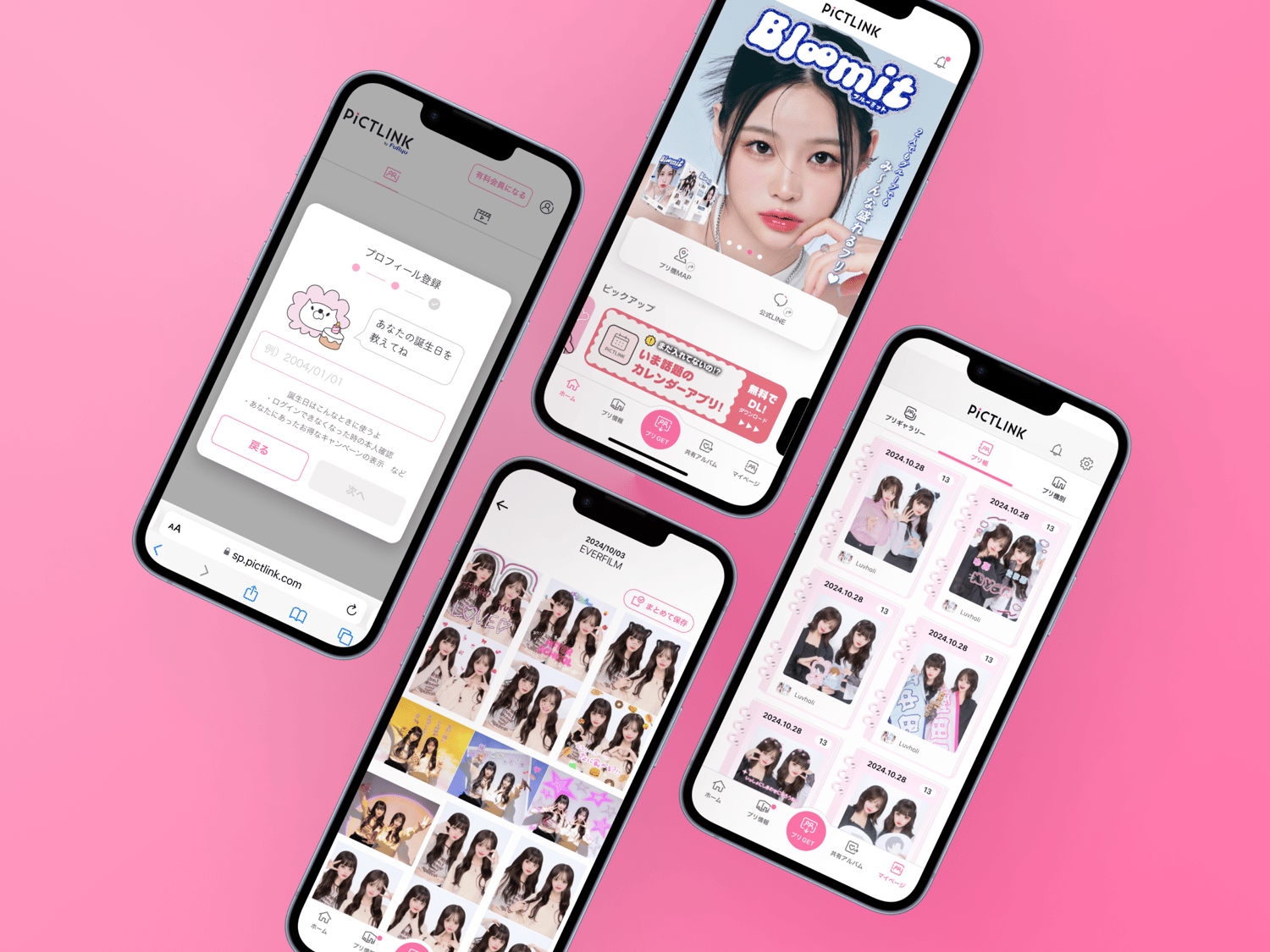
FURYU is famous for its feature-packed Puri photo sticker booths, a beloved staple of teenage social culture in Japan. To take the experience even further, Reaktor partnered with FURYU to develop Pictlink — a mobile app that seamlessly connects users to their digital creations. With Pictlink, teens can save their personalized Puri designs to the cloud and download them anytime, keeping their memories just a tap away.
Beyond the app, Reaktor works closely with FURYU’s internal digital product team to boost speed, quality, and usability across development. We help introduce Agile ways of working, build cross-functional teams, and streamline decision-making, ensuring great ideas move fast. With Lean UX, we make discovery and iteration smoother, helping FURYU bring fresh experiences to life. Along the way, we share our expertise in problem-solving and product development, strengthening the foundation for continuous innovation.
Highlights
One team, shared goals
Working side by side with FURYU’s internal team to elevate product quality and accelerate delivery.
Agile in action
Supporting the adoption of Agile and Scrum, enabling faster bug fixes and smoother performance improvements.
User-driven development
Leveraging Agile and Lean UX to keep users at the heart of product decisions, speeding up meaningful improvements.
Smarter, faster decisions
Creating a collaborative, cross-functional team that moves with clarity and efficiency.
Autonomy fueling innovation
Encouraging team members to take ownership, experiment, and push boundaries.
A culture of growth
Laying the foundation for continuous learning, ensuring the team keeps evolving.
One team, faster releases, better products
Reaktor partnered with FURYU’s internal development team to rebuild their Swift (iOS) and Kotlin (Android) mobile apps along with their Java server application. The goal? Speed up development while enhancing the app’s value for users. By introducing Agile methodologies and refining both frontend and backend systems, we helped transform a legacy app into a faster, more polished, and more user-friendly experience.
FURYU had already shifted away from traditional waterfall methods, embracing Agile to increase release speed and deliver more value. But the results didn’t quite match expectations — releases weren’t happening as fast as hoped, and internally there was uncertainty around development progress and release schedules.
That’s where Reaktor stepped in. We took a close look at where Agile principles weren’t aligning with reality, identifying gaps, and easing concerns within the team. We also uncovered a lack of cross-team communication, which was slowing things down. To solve this, we helped build a collaborative structure that connected development with other teams, ensuring smoother workflows.
We also introduced Kanban for task management, making it easier to track progress and plan releases. With greater visibility, everyone involved — developers, business units, and product planners — gained a clear understanding of project status, allowing them to proactively suggest improvements and eliminate roadblocks.
To keep things evolving, we set up regular retrospectives involving business and product planning teams, creating a continuous feedback loop to identify and resolve pain points — ensuring FURYU’s development process keeps improving, long after our work together.
From insights to impact with lean UX
Beyond Agile, FURYU wanted to level up their core subscription services, delivering new features that users would adopt quickly and love. But launching the right features at the right time meant understanding what truly drives user adoption.
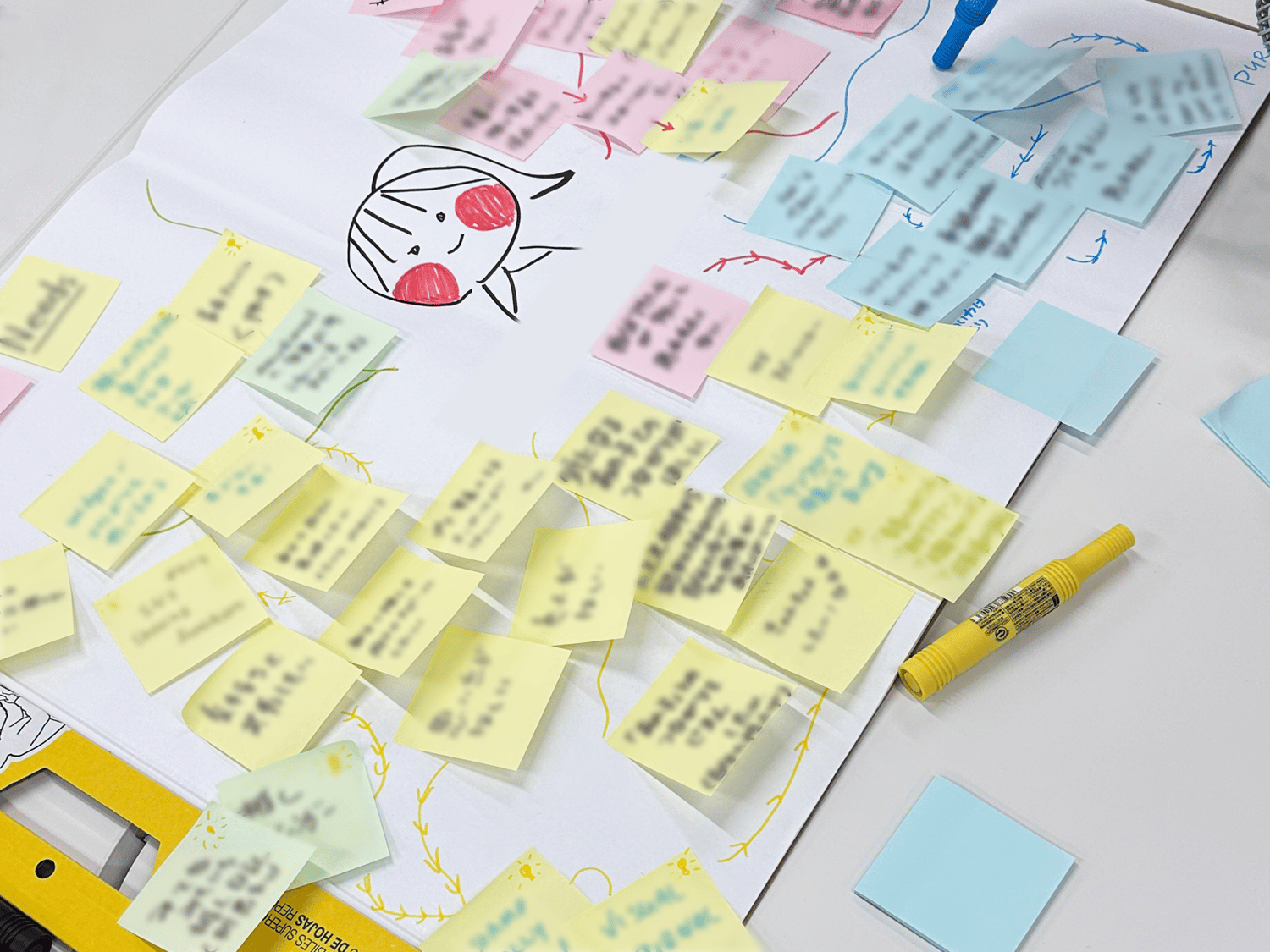
Enter Lean UX. Reaktor introduced a two-month discovery phase, packed with design sprints and hands-on collaboration. We brought together FURYU’s planning, development, and design teams alongside our consultants to form a unified, fast-moving team. Together, we ran brainstorming sessions, user story mapping, hypothesis testing, and rapid prototyping.
The result? A clear roadmap of essential features and improvements backed by user insights, ready for launch. By aligning teams around a user-driven approach, we helped FURYU streamline their service, resolve key issues, and deliver value fast.
A cross-disciplinary team for faster delivery
Reaktor helped FURYU streamline decision-making by empowering stakeholders and management to set priorities, define objectives early, and keep development moving smoothly. By making key data and KPIs easily accessible, we ensured that important discussions happened at the right time, with the right people.
But fast decisions mean little without seamless collaboration. Traditionally, FURYUs’s designers and engineers worked in silos—designers finalized product plans before passing them to developers, who would then uncover technical issues too late in the process. Fixing these late-stage roadblocks slowed everything down.
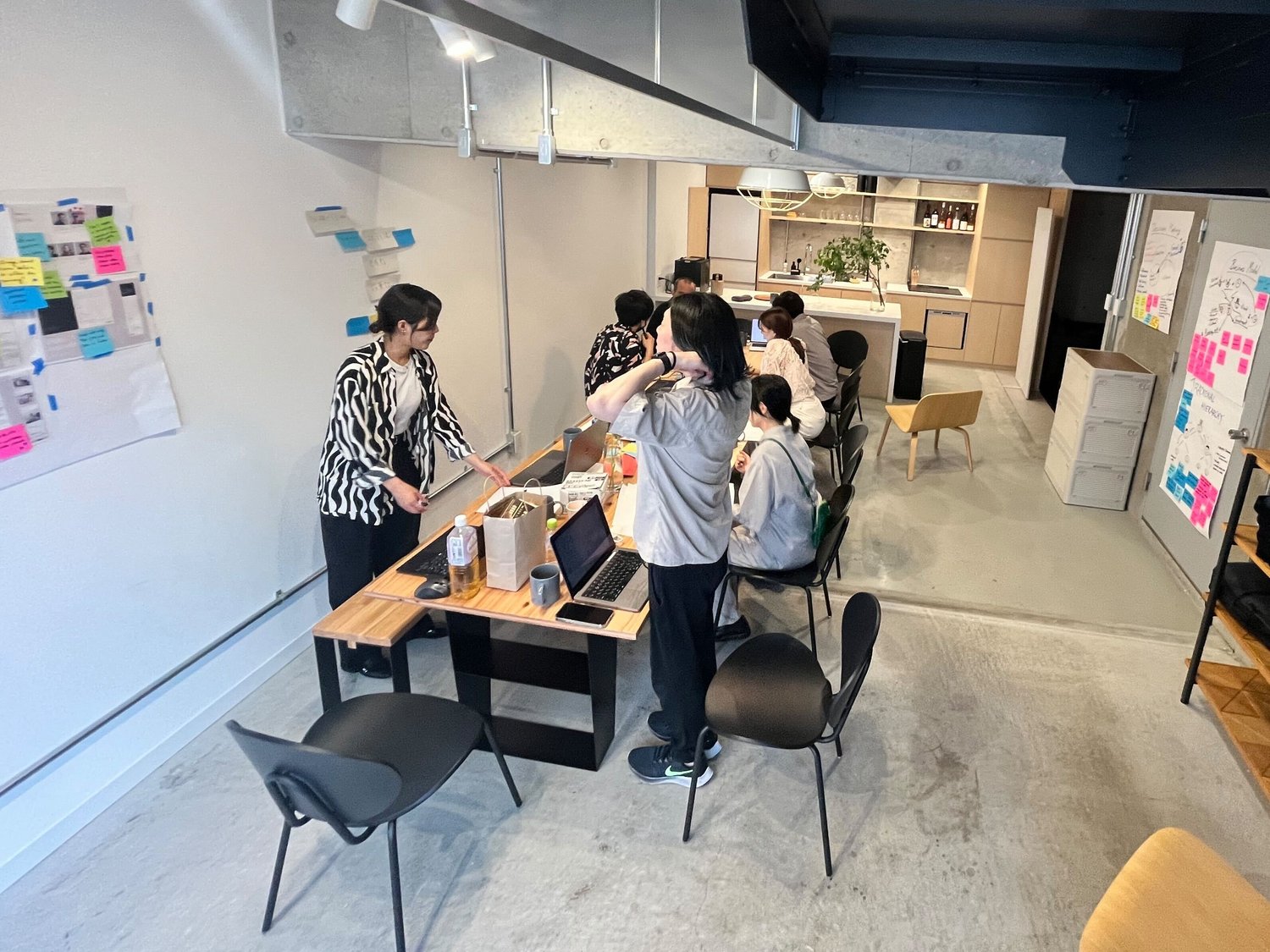
Reaktor changed that. We introduced a cross-disciplinary workflow where engineers joined the conversation from day one. Now, designers, planners, and developers collaborate from the start—aligning on feasibility, iterating together, and eliminating inefficiencies before they happen.
To reinforce this shift, we worked with the product owner to define and share a clear vision, uniting the team around a single goal. The result? A stronger, more agile development team that makes informed decisions, delivers faster, and builds better products—together.
Building autonomy and trust at FURYU
With Reaktor’s support in introducing Lean UX, fostering cross-functional collaboration, and strengthening communication, a culture of autonomous learning and openness to change began to take root at FURYU. When we first joined forces, team members were concerned that external consultants would disrupt everything they had built. Instead, we focused on understanding their concerns, guiding them toward independent problem-solving, and building trust.
Rather than imposing a top-down management approach, we worked within FURYU’s existing structure to encourage knowledge sharing and new ideas. Team successes became shared successes, strengthening motivation and collaboration.
To embed this culture of autonomy, we introduced daily scrum sessions, pair work, one-on-one meetings, workshops, and structured kick-offs within design sprints and prototyping. Over time, FURYU’s team members took ownership of their work, led their own workshops, and stepped into leadership roles, driving the project forward with confidence.