Summary
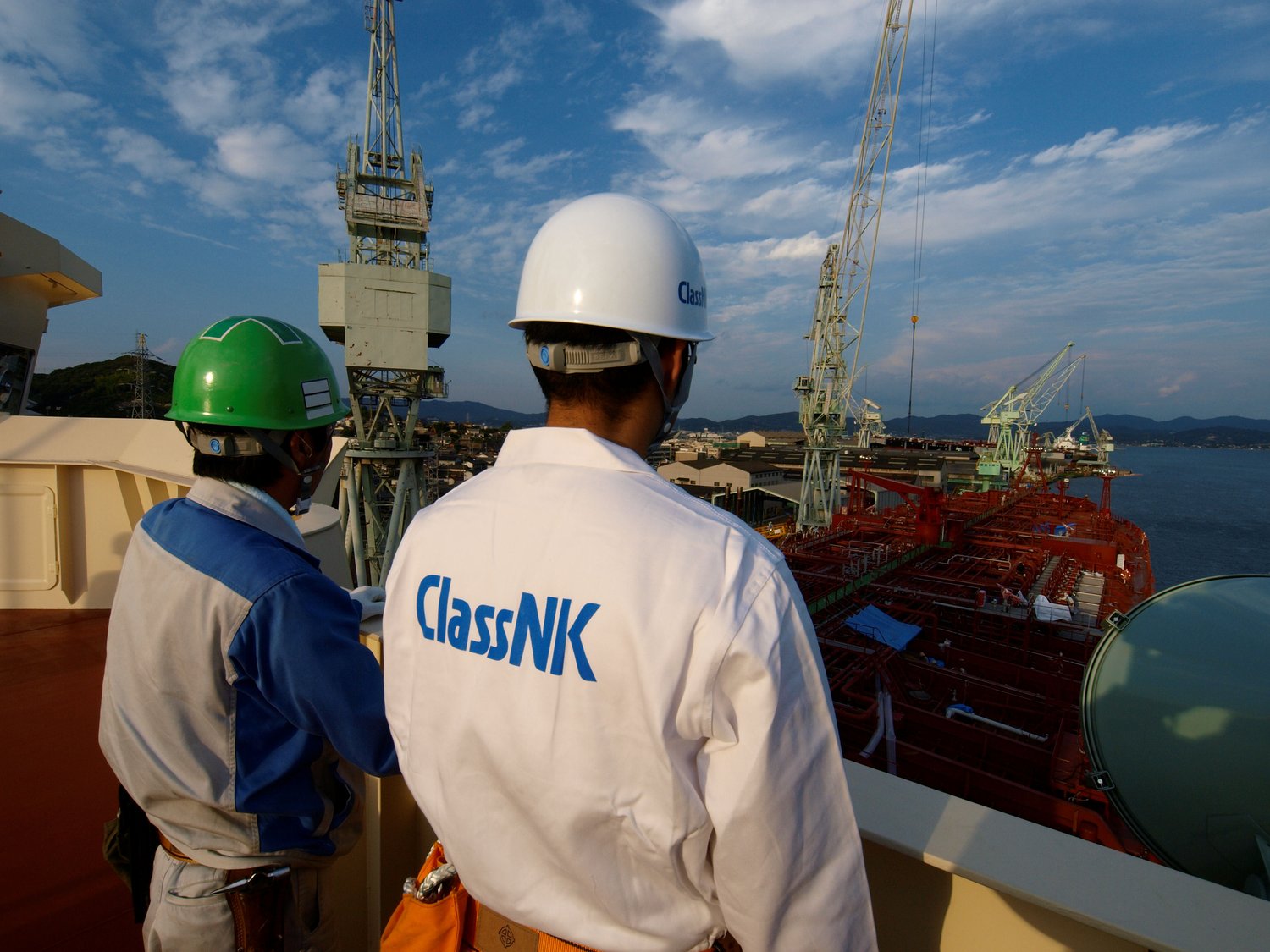
Ship classification societies are non-profit organizations that establish and maintain technical standards for constructing and operating ships and offshore structures. They ensure the safety of marine transportation, which accounts for 99% of Japan's trade, making them indispensable to Japanese society. Additionally, they certify that vessels comply with relevant standards, safeguarding not just ships, but the very lifeblood of global commerce. ClassNK, as one of the world's leading classification societies, conducts daily surveys and certifications for an impressive fleet of 9,278 ships, totaling approximately 274.48 million gross tons (as of March 2024). Their work extends beyond Japan, ensuring safety and environmental conservation on a global scale. Reaktor joined forces with ClassNK's maritime safety experts, introducing agile processes and digital know-how. Together, we not only improved systems; we charted a course for new business value in the vast sea of maritime operations, supporting the creation of innovative solutions through collaborative work methods.
Project highlights
Realization of a new platform
Prioritization and concretization of ideas within the organization
Solution development
Efficiency improvement through advanced technological development
Collaborative and agile working methodology
Support for the introduction of flexible prioritization and collaborative working methods
Visualization of complex maritime processes
Data-driven decision-making through process and data visualization
Realization of a new platform
ClassNK embarked on an initiative to lead the maritime industry towards digitalization. Their goal was to explore the utilization of various data points to drive new business value and transform the maritime sector.
To support the realization of ClassNK's visionary goals, Reaktor, as experts in digital product design and development, collaborated closely with ClassNK, beginning with workshops and customer interviews to test hypotheses related to digital transformation strategies and user needs.
Based on these insights, we developed the necessary software architecture and created a Proof of Concept (PoC) to demonstrate the feasibility of proposed solutions. Throughout the process, we facilitated consensus building within the organization, ensuring alignment with ClassNK's digital transformation objectives.
Solution Development
ClassNK's services are utilized globally, primarily serving shipowners and ship management companies that are essential to international trade.
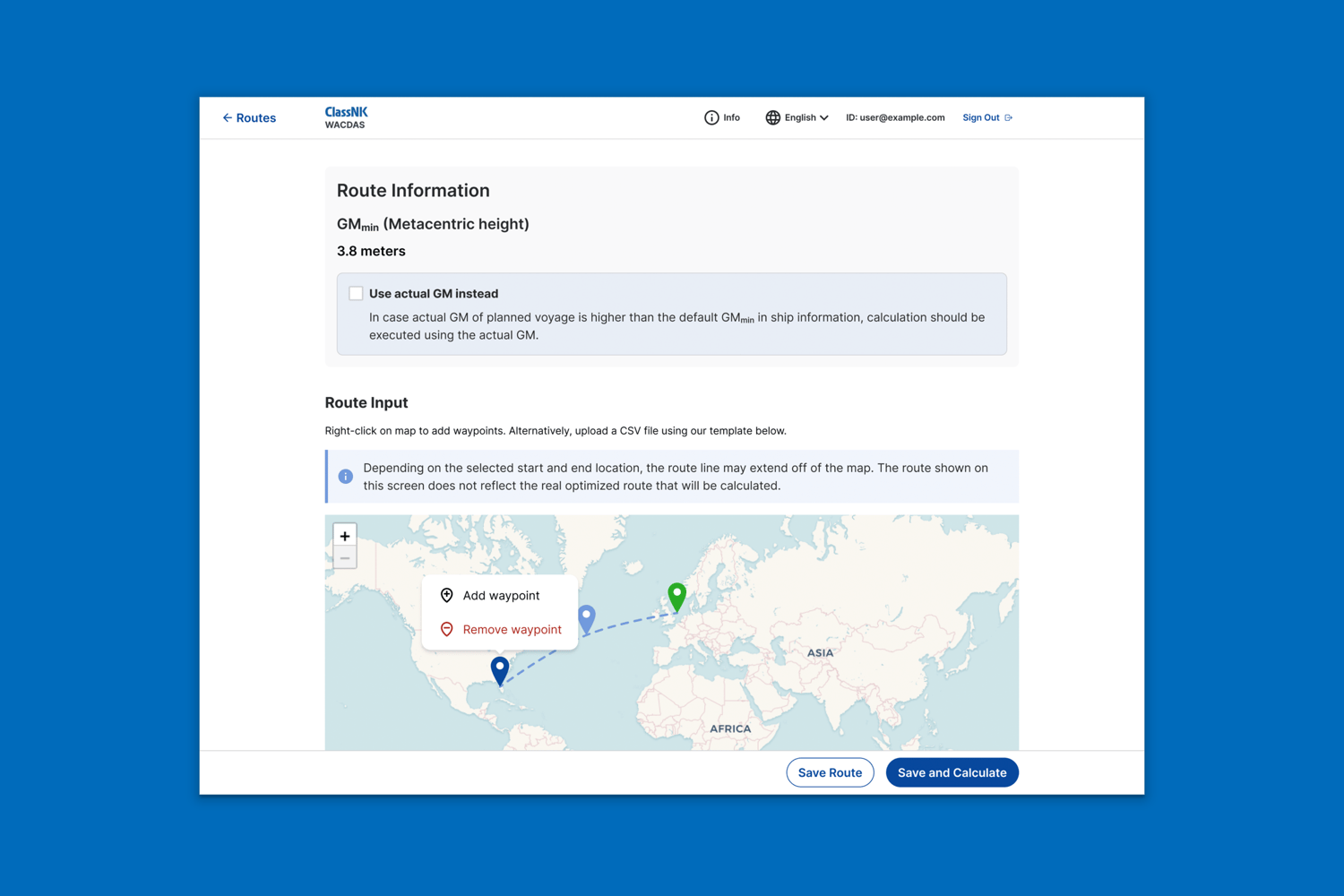
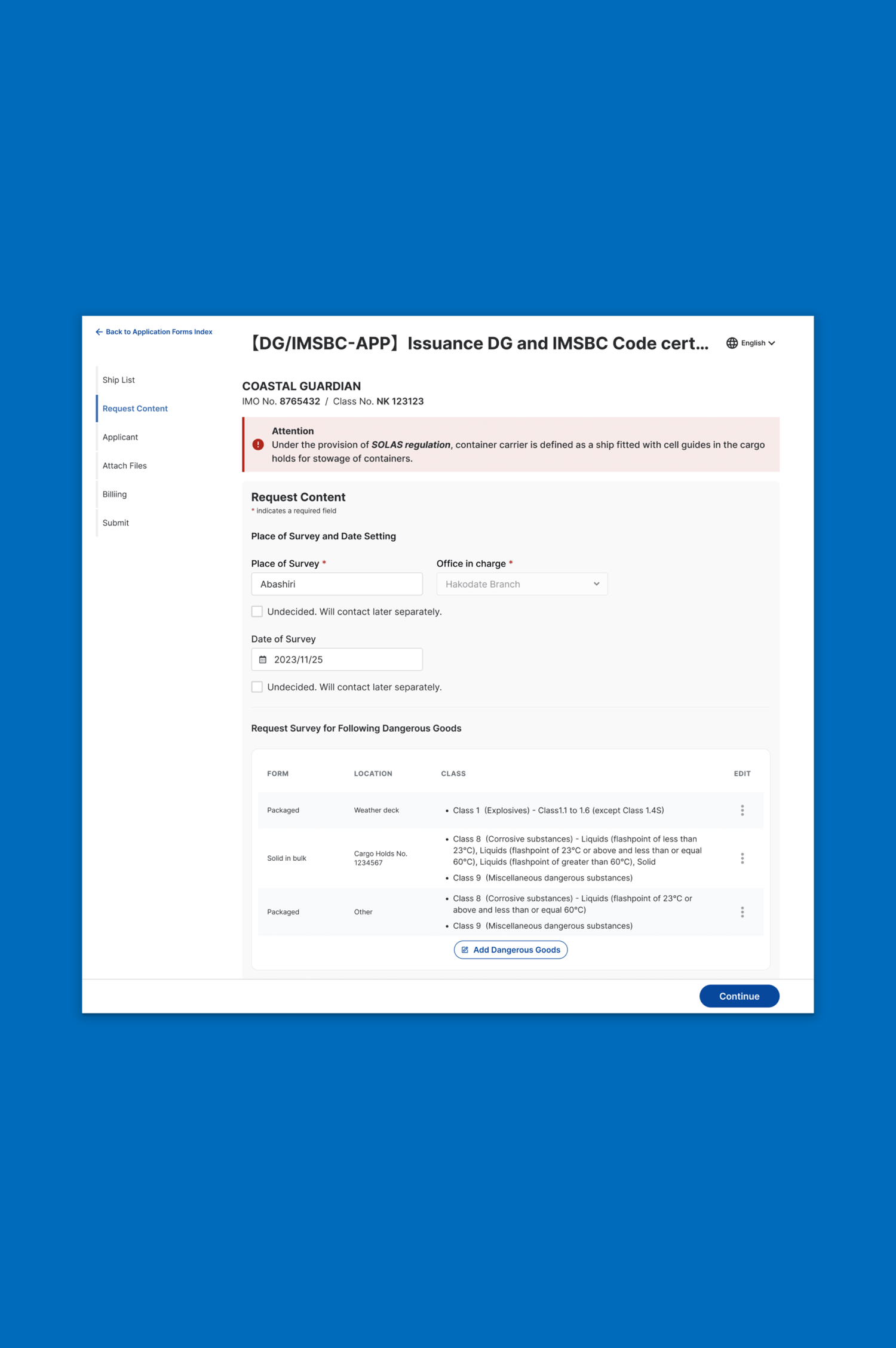
To enhance the accessibility and relevance of ClassNK's services, Reaktor employed agile methodologies to implement scalable technology based on advanced software architecture. This approach aimed to streamline application processes and provide support for route-specific cargo estimation. Reaktor ensured robust security by combining on-premises infrastructure with modern cloud technologies. Additionally, we established an environment for continuous deployment, allowing for regular updates and improvements. This comprehensive solution not only simplified service delivery but also positioned ClassNK to adapt swiftly to evolving industry needs and technological advancements, ultimately enhancing the user experience for maritime professionals worldwide.
Collaborative and agile working methodology
To address the challenges of ClassNK's large organization and diverse stakeholders, Reaktor implemented agile working methodologies that seamlessly blended remote and on-site work practices.
Our team introduced a range of collaborative tools and techniques to enhance productivity and communication. These included hybrid workshops for idea generation and prioritization, utilizing online whiteboards for both remote and in-person participants. We implemented daily design and development progress tracking through Kanban tools, ensuring transparent project management. Real-time collaboration platforms facilitated efficient design feedback processes. Additionally, we significantly improved development transparency and speed by implementing continuous deployment using containerization technologies. This comprehensive approach fostered a more flexible, responsive, and efficient working environment across ClassNK's operations.
Visualization of complex maritime processes
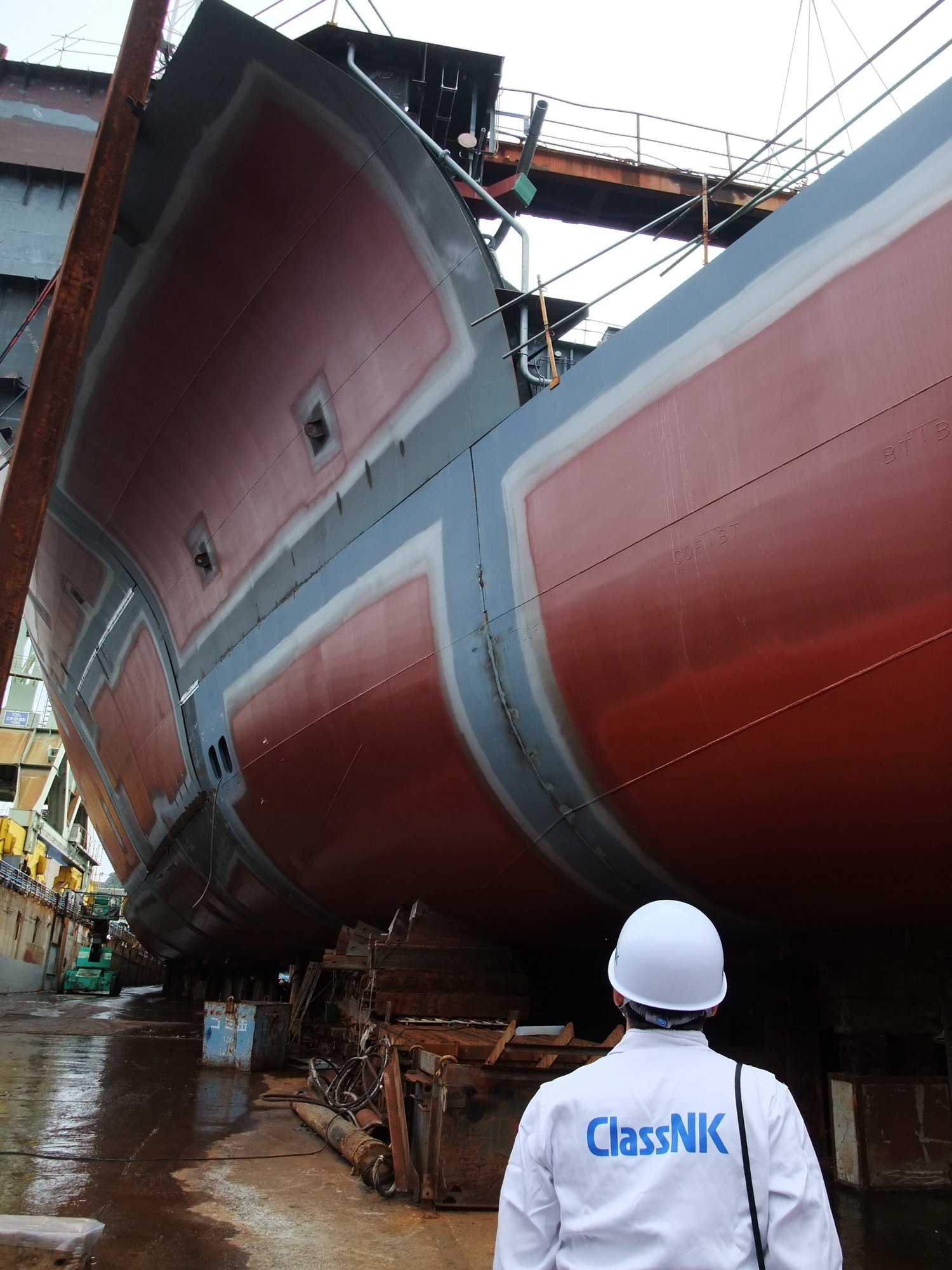
Merchant ships, often exceeding 300 meters in length, require sophisticated and intricate management. ClassNK's departments possess unique expertise, conducting comprehensive surveys and evaluations of these complex vessels.
Reaktor interviewed each department to establish a shared understanding of these technical processes. We then visualized the data acquired during these interviews, transforming complex information into accessible formats. This visualization process employed user story mapping to capture workflow and requirements, as well as static analysis of business performance to identify key metrics and trends.
This comprehensive approach ensured evidence-based decision-making by providing critical insights from collected data. The visualizations enhanced understanding across departments, facilitating more effective collaboration.
Additionally, we implemented an analytics tool for continuous improvement, supporting the ongoing collection and analysis of essential information. This tool enabled ClassNK to monitor performance metrics in real-time, identify areas for optimization, and maintain their industry-leading standards in ship classification and management.
Our contributions
- Product design
- Software and architecture development
- CI/CD pipeline
- Agile methodology
- Proof of concept
- Research and discovery
- Workshop facilitation
Contact
Let's build your next innovation

Jun Inoue
CEO, Reaktor Japan