Summary
ZAP Surgical is a medical technology company developing a non-invasive, high-precision radiosurgery system for treating complex brain tumors and other brain indications. A Treatment Planning System (TPS) enables doctors and physicists to create and simulate treatments that are personalized to the clinical needs of each patient.
Developing a TPS is challenging. The system must seamlessly integrate state-of-the-art algorithms, complex physics, and robotics with an intuitive interface for clinicians. The TPS is an exploration tool for understanding the treatment trade-offs available to clinicians for their patients. ZAP partnered with Reaktor to upgrade and redesign its TPS and meet this clinical design challenge.
Project highlights
Research
We observed neurosurgeons and physicists to understand end-user needs.
Product mindset
We derived an elegant design from the clinical observations.
Performance
We created a faster application that delivers a better user experience.
Custom built
We tailored a software solution directly to address ZAP’s needs.
Reaktor’s strength lies in its exceptional people - designers, developers, scientists, and engineers. They assemble teams that collaborate effectively to create simple, well-designed, high-quality, and elegant solutions.
Background
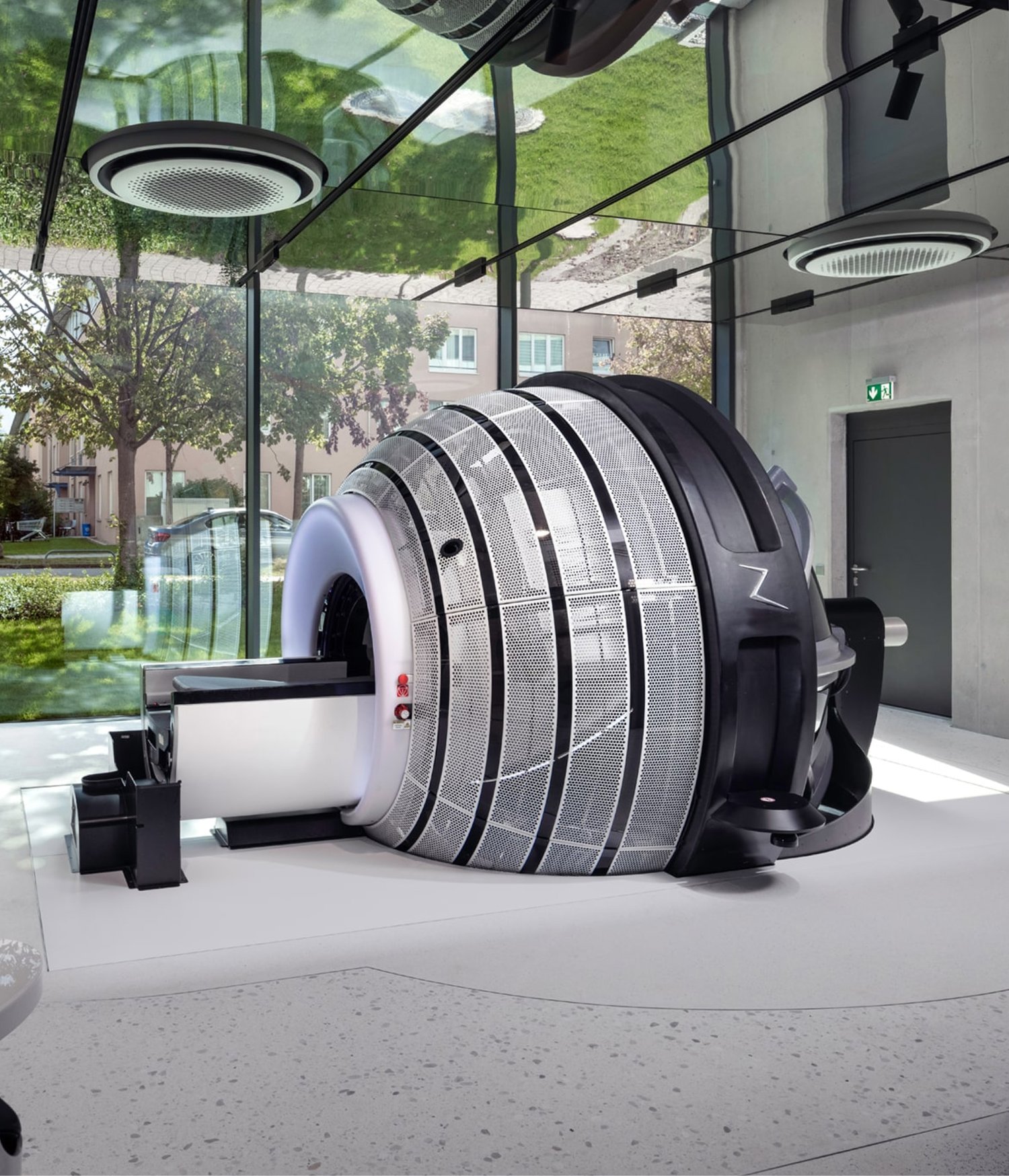
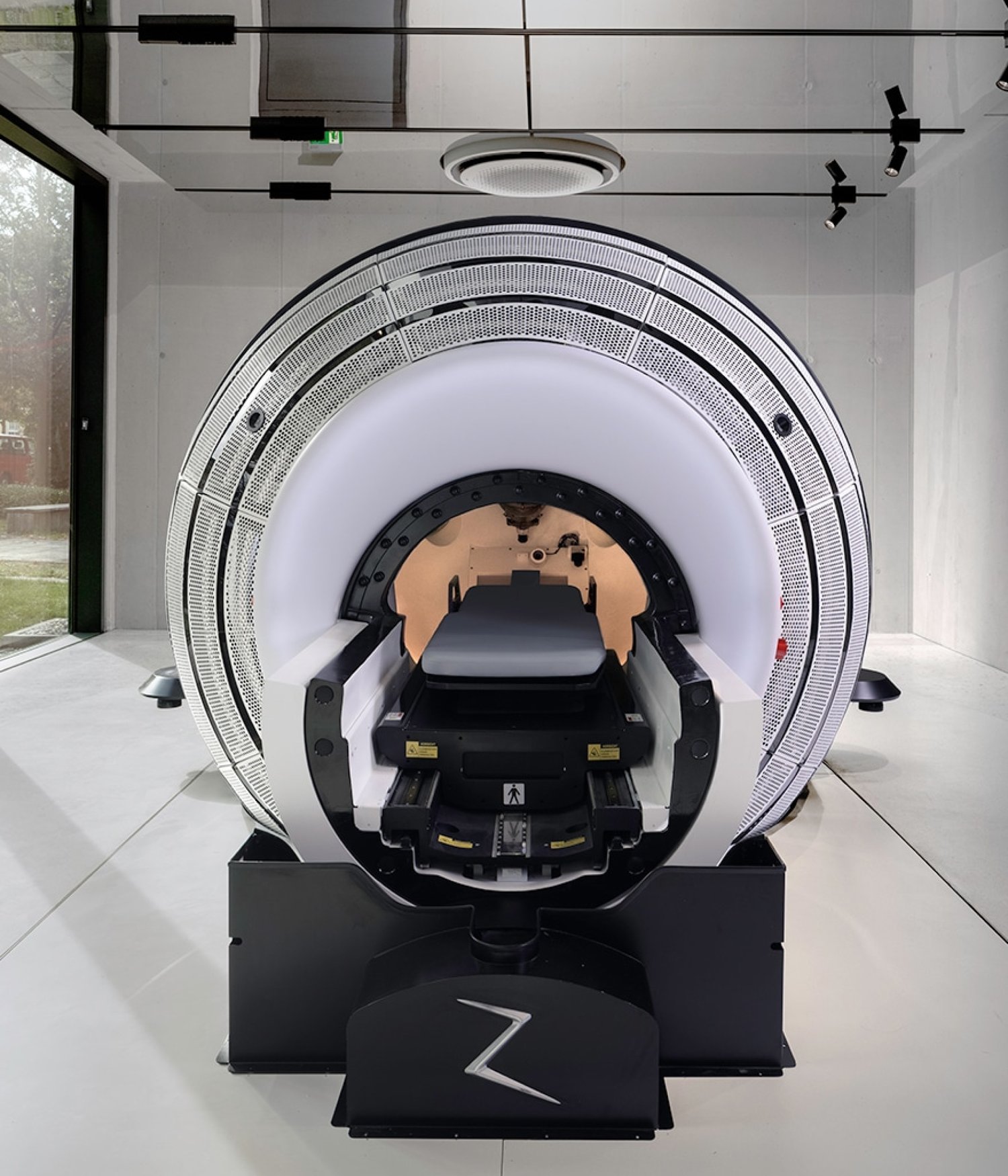
Radiosurgery is a specialized treatment modality known for its complex requirements for precise treatments. ZAP’s flagship robotic platform — the ZAP X — is dedicated to radiosurgical treatment of the brain. The ZAP X was designed to deliver highly targeted radiation therapy with submillimeter accuracy while minimizing radiation exposure to the surrounding healthy tissue.
The ZAP X reduces the need for invasive surgical procedures to treat tumors, cancer, and functional diseases. The ZAP X leverages robotics to deliver therapeutic doses from hundreds of directions to maximize the dose to the target while sparing healthy tissue.
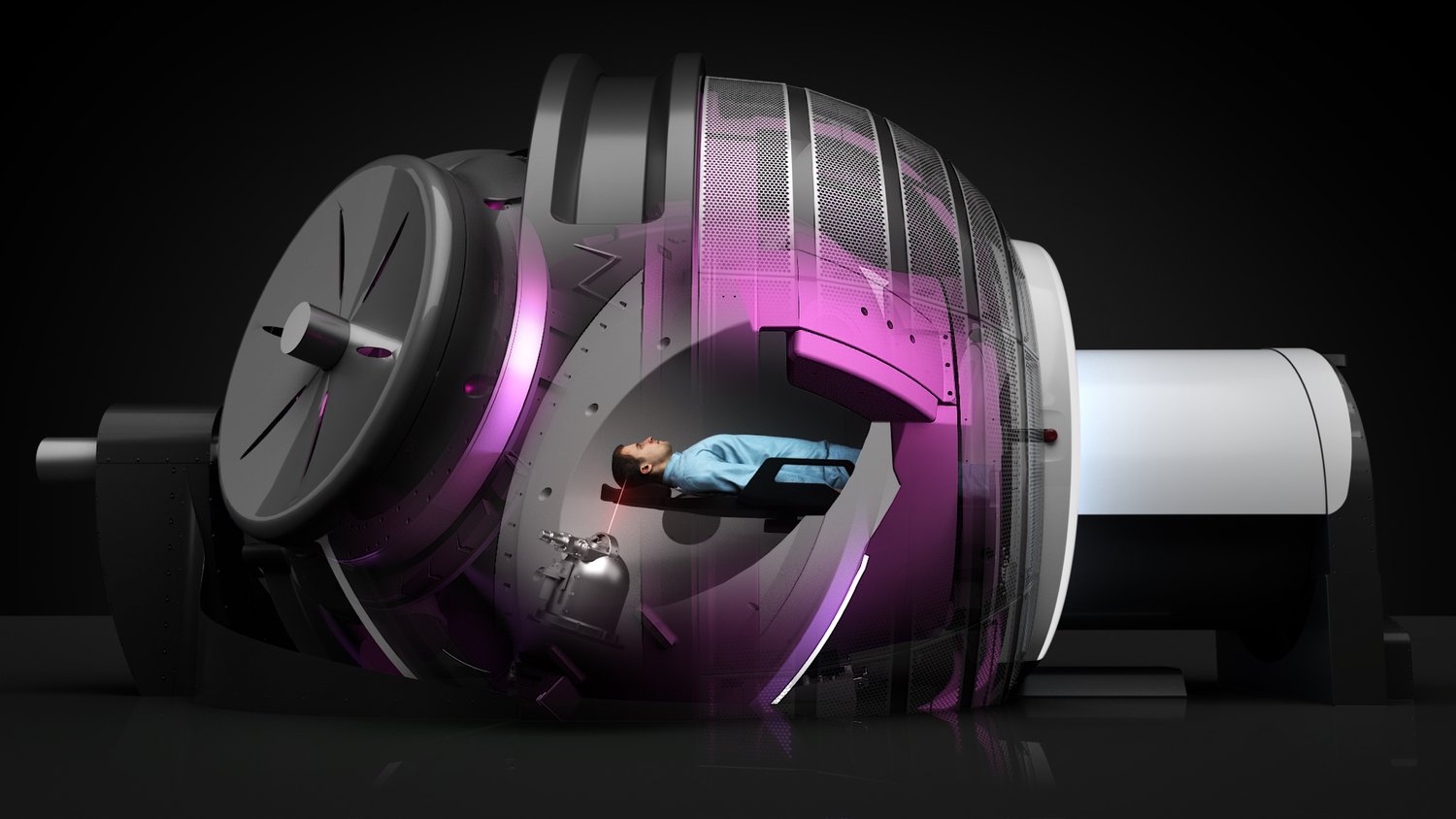
The integral role of the treatment planning system
A critical component of any radiosurgery device is its TPS. The TPS allows doctors and physicists to collaborate and create a personalized treatment plan for each patient. The TPS calculates the optimal directions for therapeutic beams to penetrate the brain and deliver the doctor's surgical prescription. The software then translates these beam configurations into delivery instructions for the ZAP X’s robotic components. The TPS translates the doctor’s directives into delivery instructions.
ZAP envisions a TPS that is intuitive for doctors and physicists to leverage. The TPS interface should expose the rich physics of the ZAP X through an elegant interface for clinicians to explore the treatment alternative for each patient. Finally, a powerful TPS connects the rich clinical data in a patient’s record with the algorithm needed to drive the treatment planning process. ZAP saw an opportunity to leverage state-of-the-art technologies and craft an intuitive yet powerful tool for neurosurgeons, oncologists, and physicists to collaborate and propose the best treatment possible for the patients that the ZAP X supports.
Leveraging a product mindset
To design a product that would best serve the needs of its users, we researched ZAP’s core domain, interviewed neurosurgeons, oncologists, and physicists, and visited their clinical sites to observe their interactions with the current software systems. This research process gave us rich insights into the opportunities to improve ZAP’s software tools. From these insights, we proposed multiple design directions and quickly iterated on concepts to embody our ideas. Key stakeholders then provided feedback on our insights and design concepts.
We work in continuous, iterative development cycles — quickly learning and adapting in the context of a project. This way of working not only made the project a success, but also influenced ZAP’s internal culture and ways of working. While ZAP had already been working with agile methods, this partnership functioned as a catalyst for ZAP to integrate more iterative strategies into their workflows.
At Reaktor, our bread and butter is developing Cloud-Based applications. Our extensive experience building products outside the medical device industry worked – as usual – to our customers’ advantage. Deliberately, we did not look for design inspiration among ZAP’s competitors. Instead, we focused on our core product mindset principles to propose an excellent user experience. The result was an elegant design and accessible user interface.
The distinct workspaces of TPS
We built a TPS with distinct workspaces, each designed to facilitate data-informed decisions to design treatments while always safeguarding the patient. These are the TPS workspaces and the division of labor among each:
- Fusion: Clinicians register a batch of MRI sequences against a primary CT. Registration algorithms spatially align the features in these images so clinicians can view the patient’s anatomy from distinct modalities or points in time.
- Segmentation: Clinicians outline the structures of interest to track radiation deposition in specific brain anatomical structures. Targets – such as tumors – receive the focus of the therapeutic dose, while additional structures of interest – such as the brainstem, eyes, and cochlea – are avoided.
- Planning: an inverse algorithm computes the optimal strength of a set of beams to deliver the prescription dose to the target while avoiding the structures of interest. This process iteratively builds a 3D dose distribution of the radiation inside the patient. This distribution allows the clinician to understand the treatment trade-off between meeting the prescription dose to the target while sparing toxicity to the healthy tissue and structures.
- Review, Compare, and Approve: After exploring each patient's treatment space and proposing competing plans with distinct trade-offs, the clinician can compare the advantages and disadvantages of each plan. The physician and physicist then discuss the treatment trade-offs and approve a plan for delivery.
In phase 1 of this project, the Planning and Review workspaces were developed and evaluated with current and prospective customers. The project's next phase involves creating a patient management portal, fusion, and contouring workspaces. This second phase will allow the treatment planning workflow to support a rich set of images for each patient with smart contouring tools to simplify the segmentation of anatomical structures and targets. The outcome is an intuitive, simple, and powerful surgical tool to support multiple stakeholders in delivering radiosurgical treatments to patients
A complex medical applications
Building a sophisticated TPS using web technologies has been an interesting challenge. To get a better sense of the challenges and possibilities, we started with extensive prototyping. We built small parts of the system with WebGL and 3D and experimented with various rendering strategies to optimize graphic performance. This exploratory phase was crucial in determining the feasibility of building a complex medical application within a web architecture.
We built a custom solution to render a patient’s complex clinical data in a simple clinical workflow. By customizing the solution, we were able to integrate multiple technologies into a high-performance yet maintainable architecture. This custom solution positions ZAP on an innovation path where state-of-the-art technologies can be deployed with agility to address the complex clinical needs of its users — and, ultimately, patients.
Overall, the partnership with ZAP has given us an even more concrete view of the potential for product design and development innovation in the medical industry. It’s hard to infiltrate, but once in, the possibilities for improvement and impact can be massive. In the process, our team has gained valuable insights into specific areas like radion surgery and treatment planning, further expanding our expertise in medical software development.
The culture at Reaktor is transparent, agile, and productive, continually adapting to new design inputs and offering enhancements. We are thrilled with Reaktor's contribution to our outstanding product, which has greatly benefited our organization, users, and patients.
Our contributions
- Research and discovery
- Product design
- Frontend and backend development
Reaktor health
Digital services for the global healthcare industry
We help organizations across the global healthcare industry create user-centric services that exceed modern digital expectations.
Learn more